
Travel guide
What to Pack for Sri Lanka
A packing list built around what Sri Lanka actually demands: temple dress codes, hill-country cold that surprises everyone, monsoon rain, safari dust and leeches in the rainforest.
Pack light, breathable clothing for the heat, but include warm layers for the hill country — Nuwara Eliya drops to 5–10°C at night and catches almost every visitor out. You also need shoulder and knee cover for temples, slip-on shoes, strong sun protection and insect repellent for daytime use.
The two things everyone gets wrong
First: warm clothing. Visitors picture a tropical island and pack accordingly, then arrive in Nuwara Eliya at 1,868 metres where nights fall to between 5 and 10°C and many hotels have no heating. A fleece or light down jacket, long trousers and socks are not optional if your itinerary includes the hill country. Horton Plains at dawn is genuinely cold.
Second: temple-appropriate clothing. Buddhist and Hindu sites require shoulders and knees covered, for men and women, and shoes come off — often onto stone that has been in the sun all day. This applies at Dambulla, the Temple of the Tooth, Anuradhapura and dozens of smaller sites. A lightweight scarf or sarong that lives in your day bag solves it permanently.
Clothing
Light, loose and breathable is the general rule. Cotton and linen over synthetics — humidity makes anything that does not breathe unpleasant quickly. Laundry is cheap and fast almost everywhere, so pack less than you think.
- Light long-sleeved shirts — sun protection and mosquito cover, more useful than t-shirts
- Trousers or long skirts that cover the knee, for temples and evenings
- A scarf or sarong for shoulders at religious sites, doubling as a beach wrap
- A fleece or light jacket for the hill country — genuinely necessary
- A light waterproof; monsoon rain is heavy but usually short
- Swimwear, plus a rash vest for snorkelling (sun protection and reef-safe)
- One smart-casual outfit if you are staying at higher-end hotels
- Neutral colours for safari; bright white and black attract attention and heat
What each region actually demands
Sri Lanka is small but its climate zones are not uniform, and a bag packed only for the coast will fail in the hills.
| Region | Typical conditions | What you need beyond the basics |
|---|---|---|
| Coast (Galle, Mirissa, Trincomalee) | 27–32°C, humid | Swimwear, rash vest, strong sun protection |
| Cultural Triangle (Sigiriya, Dambulla) | 30–35°C, very exposed | Hat, temple cover-up, shoes with grip, extra water |
| Hill country (Nuwara Eliya, Ella) | 10–22°C day, 5–10°C night | Fleece or jacket, long trousers, socks, light waterproof |
| Horton Plains at dawn | Can approach freezing with wind chill | Warm layers, gloves, reusable bottle (no plastic allowed) |
| Rainforest (Sinharaja) | Warm, wet, humid | Leech socks, quick-dry clothing, waterproof bag |
| National parks (Yala, Udawalawe) | Hot, very dusty | Neutral colours, binoculars, dust cover for cameras |
Footwear
Shoes come off constantly at temples, so slip-ons save real irritation over a two-week trip. Sandals or flip-flops work for most days.
You also want something with grip: Sigiriya's metal stairways, Ella's trails and the Horton Plains circuit all reward proper shoes. Trail shoes or light hiking boots are enough — nothing technical is needed.
If you are visiting Sinharaja or walking in the rainforest, leech socks are worth the small cost. They are sold locally and usually provided by guides.
Health and protection
The sun at 7 degrees north is stronger than most visitors expect, and dengue-carrying mosquitoes bite during the day rather than at night — which reverses the usual repellent routine.
- High-factor sunscreen — expensive and limited in choice locally, so bring it
- Insect repellent with DEET or picaridin, for daytime use
- Rehydration sachets — more useful than any other single item on this list
- Basic first aid: plasters, antiseptic, painkillers, anti-diarrhoeal, antihistamine
- Any prescription medication in original packaging, with a copy of the prescription
- A reusable water bottle — Horton Plains confiscates single-use plastic at the gate
- Hand sanitiser
Electronics and documents
Sri Lanka uses Type D, M and G sockets at 230V — a universal adapter is the simple answer. Power cuts are far less frequent than during the 2022 crisis but a power bank remains useful.
For wildlife, binoculars are the most under-packed item on any safari. A 300mm lens or longer is realistic for leopard photography; anything shorter will disappoint. Dust is constant on safari drives, so bring something to wrap a camera in.
Carry a printed or offline copy of your ETA approval, passport details and insurance policy. Local SIM cards are cheap and easy to buy at the airport, and coverage is good outside the deepest jungle.
What not to bother with
Heavy walking boots unless you are doing Adam's Peak or serious hiking — they are hot and mostly unnecessary. A mosquito net, which every hotel that needs one provides. Large quantities of cash in dollars; ATMs are widespread in towns. Formal clothing, which almost nowhere requires. And a bulky first aid kit — pharmacies are common, well stocked and inexpensive.
Frequently Asked Questions
- Do I need warm clothes for Sri Lanka?
- Yes, if your itinerary includes the hill country. Nuwara Eliya sits at 1,868 metres and falls to 5–10°C overnight, and many hotels have no heating. Horton Plains at dawn is colder still. A fleece or light jacket, long trousers and socks make the difference. This is the single most common packing mistake.
- What should I wear at temples in Sri Lanka?
- Shoulders and knees covered, for men and women. Shoes and hats come off before entering, often onto hot stone. White or muted colours are customary though not required of visitors. A light scarf or sarong kept in your day bag covers most situations, and vendors sell them at major sites.
- What shoes should I bring to Sri Lanka?
- Slip-on sandals for everyday use, since shoes come off constantly at temples, plus one pair with grip for Sigiriya, Ella's trails and Horton Plains. Trail shoes are enough; heavy hiking boots are unnecessary unless you are climbing Adam's Peak. Add leech socks if you are visiting Sinharaja.
- Do I need insect repellent in Sri Lanka?
- Yes, and use it during the day. Dengue is carried by a mosquito that bites in daylight, which reverses the usual routine of applying repellent at dusk. DEET or picaridin-based repellent is effective. Malaria was eliminated in 2016 so tablets are not needed.
Tours to consider
15 days · from $4,050
15 Days / 14 Nights Around Sri Lanka Tour
A comprehensive 15-day journey exploring ancient kingdoms, sacred sites, tea plantations, wildlife, and pristine beaches.

6 days · from $1,620
Mountain Hiking Adventure – Peaks & Trails
A thrilling 6-day hiking adventure through Sri Lanka's stunning hill country, featuring World's End, Ella Rock, and Lipton's Seat.

10 days · from $2,700
The Great Wilderness – Wildlife Odyssey
A comprehensive 10-day wildlife expedition through Sri Lanka's top national parks, from Yala's leopards to Minneriya's elephants.
Destinations mentioned

Central Highlands
Nuwara Eliya
Nuwara Eliya is Sri Lanka's highest town at 1,868 metres, at the centre of the country's best tea-growing region. The British built it as a hill station and the colonial architecture and cool climate earned it the nickname "Little England". Nights drop to single digits — bring warm layers.

Sabaragamuwa & Southern Provinces
Sinharaja Forest Reserve
Sinharaja Forest Reserve is Sri Lanka's last substantial stretch of primary lowland rainforest and a UNESCO World Heritage Site. It holds a majority of the island's endemic bird species and much of its endemic flora. Visits are on foot with a compulsory guide. Expect leeches, and bring socks.
Cultural Triangle (Matale District)
Sigiriya
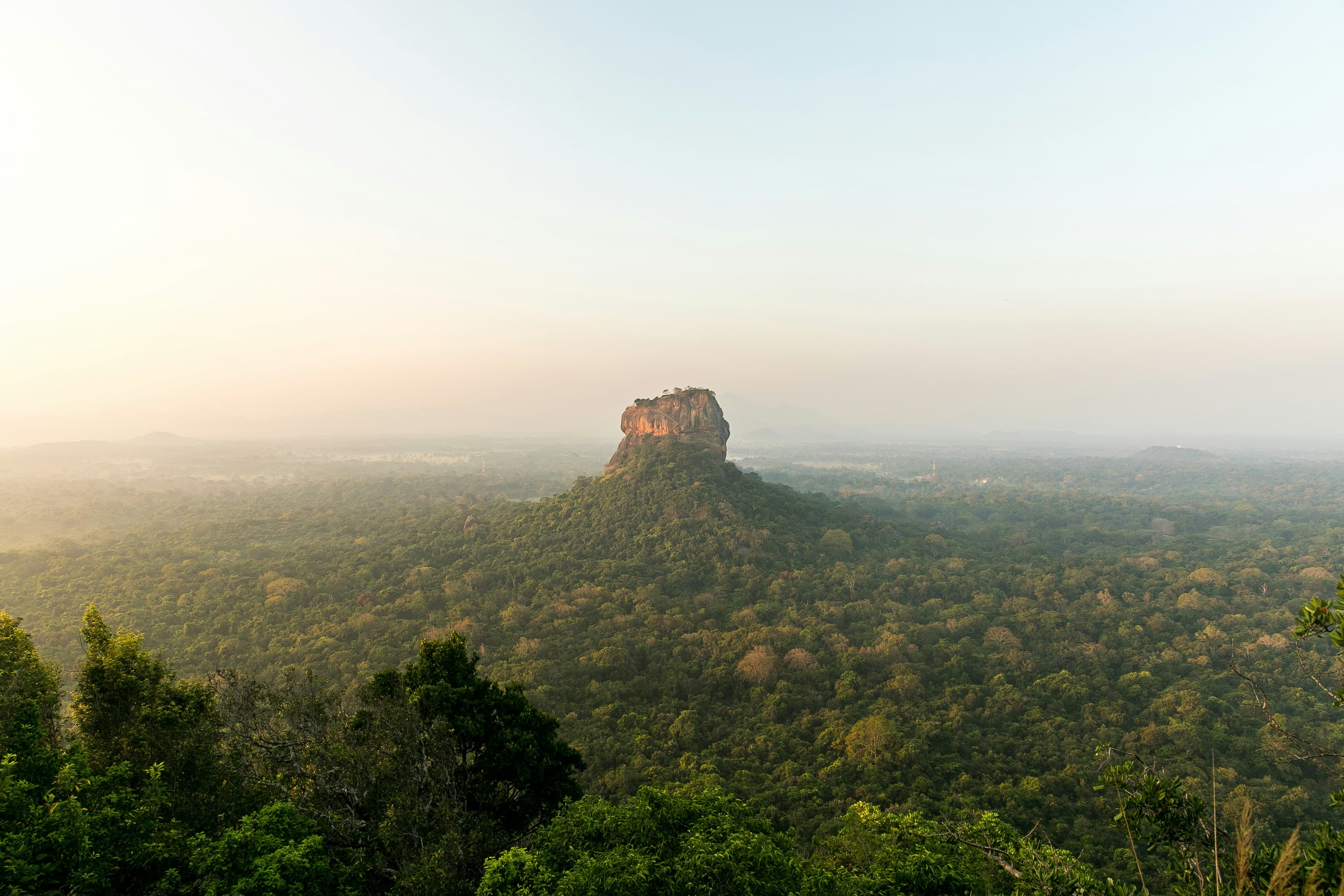
Sigiriya is a 5th-century rock fortress built on a 180-metre granite monolith in central Sri Lanka, and a UNESCO World Heritage Site. The climb is about 1,200 steps and takes 1.5 to 3 hours return. Go at opening or late afternoon — midday heat on exposed stairways is punishing.
Related guides
Guide
The Best Time to Visit Sri Lanka
Sri Lanka has two monsoons, so there is no single best month — there is a best coast for each month. A region-by-region breakdown of when to go, what the weather actually does, and how to plan around it.
Guide
Is Sri Lanka Safe for Travellers?
Sri Lanka is generally safe for visitors, with low violent crime. The real risks are road traffic, sea currents, dengue and heat — not the things travellers usually worry about. What to actually be careful of.
Guide
Sri Lanka with Children: A Practical Guide
Sri Lanka works well with children if you plan around driving times and heat. Which parks and beaches suit families, what to skip, health and food practicalities, and realistic daily pacing.