
For travellers from the Netherlands
Sri Lanka Tours from Netherlands
Planning a Sri Lanka trip from the Netherlands: flights from Amsterdam, the Dutch colonial heritage at Galle, timing around Dutch school holidays, and costs in euros.
Sri Lanka is roughly 12–14 hours from Amsterdam with one stop. Dutch visitors have a particular connection here: the VOC ruled coastal Sri Lanka for 150 years, and Galle Fort is the largest surviving Dutch colonial fortification in Asia. December to March is the strongest season.
Getting there
Emirates via Dubai, Qatar Airways via Doha, Etihad via Abu Dhabi and Turkish Airlines via Istanbul connect Amsterdam Schiphol to Colombo in roughly 12 to 14 hours total. Corendon and other operators have run seasonal charters during the winter. There is no scheduled year-round non-stop.
Visa
Dutch passport holders need an Electronic Travel Authorization (ETA), obtained online at eta.gov.lk before travel. Approval usually takes 24 to 48 hours and the standard tourist ETA covers 30 days with double entry. The passport must be valid for six months beyond arrival. Apply on the official site rather than through a commercial "visum" agent.
When to go
December to March suits the classic circuit and covers the Kerstvakantie and voorjaarsvakantie. The meivakantie in late April and early May is a good window before the monsoon establishes. The zomervakantie in July and August falls in the southwest monsoon, so summer trips should end on the east coast at Trincomalee or Nilaveli rather than in the south.
Budget
A 10-day private tour costs approximately €2,480 per person on Silver, €3,590 on Gold, or €5,890 on Platinum, based on two sharing, including accommodation, all meals, private transport with driver-guide and entry tickets. Return flights from Amsterdam typically add €600–€1,000. We invoice in USD; euro figures are indicative.
The Dutch heritage trail
For Dutch visitors, Sri Lanka offers something few destinations do: a substantial, well-preserved and still-inhabited piece of the VOC world. Galle Fort is the largest surviving Dutch fortification in Asia, and unlike most colonial sites it never became a museum — people live inside the ramparts.
The Dutch Reformed Church in Galle, built in 1755, has a floor paved with the gravestones of Dutch colonists. The Old Dutch Hospital, one of the oldest buildings in the fort, now houses restaurants and shops. In Negombo, the canal system built to move cinnamon still functions.
Further afield, Dutch forts survive at Jaffna, Matara, Batticaloa and Kalpitiya, most of them barely visited. A guide who knows the period makes a considerable difference to how much of it you actually see.
Costs in euros
Indicative per-person figures excluding international flights, based on two sharing.
| Trip length | Silver | Gold | Platinum |
|---|---|---|---|
| 7 days | €1,740 | €2,510 | €4,120 |
| 10 days | €2,480 | €3,590 | €5,890 |
| 14 days | €3,480 | €5,020 | €8,240 |
Worth knowing before you go
- The Dutch East India Company controlled coastal Sri Lanka from 1658 to 1796, and the legacy is unusually visible — Galle Fort, the Dutch Reformed Church, Dutch-period canals in Negombo, and Roman-Dutch law still underpinning parts of the Sri Lankan legal system.
- Surnames of Dutch origin remain common among the Burgher community, and Dutch colonial architecture survives in Galle, Jaffna, Matara and Batticaloa.
- English is spoken widely enough in Sri Lankan tourism that Dutch travellers rarely encounter a language barrier.
- Cycling is a realistic way to see Polonnaruwa and Anuradhapura, which appeals to visitors accustomed to it at home — best done early in the morning before the heat.
Frequently Asked Questions
- How long is the flight from Amsterdam to Sri Lanka?
- Roughly 12 to 14 hours in total with one stop, via Dubai, Doha, Abu Dhabi or Istanbul. Seasonal charters have operated from Amsterdam during the winter season; there is no scheduled year-round non-stop.
- What Dutch colonial sites can you visit in Sri Lanka?
- Galle Fort is the largest surviving Dutch fortification in Asia and still inhabited, with the 1755 Dutch Reformed Church and the Old Dutch Hospital inside the walls. Negombo has Dutch-built canals, and forts survive at Jaffna, Matara, Batticaloa and Kalpitiya. Roman-Dutch law still underpins parts of Sri Lankan civil law.
- Do Dutch citizens need a visa for Sri Lanka?
- Yes — an Electronic Travel Authorization applied for online at eta.gov.lk before travel, usually approved within 24 to 48 hours and valid for 30 days with double entry. Apply on the official government site rather than a commercial visum agent, which charges considerably more.
- When should Dutch families visit Sri Lanka?
- The Kerstvakantie and voorjaarsvakantie fall in the December to March dry season on the south and west coasts, which is ideal. The meivakantie is a good window before the monsoon sets in. The zomervakantie in July and August requires routing the trip to the east coast rather than the south.
Tours popular with travellers from this market
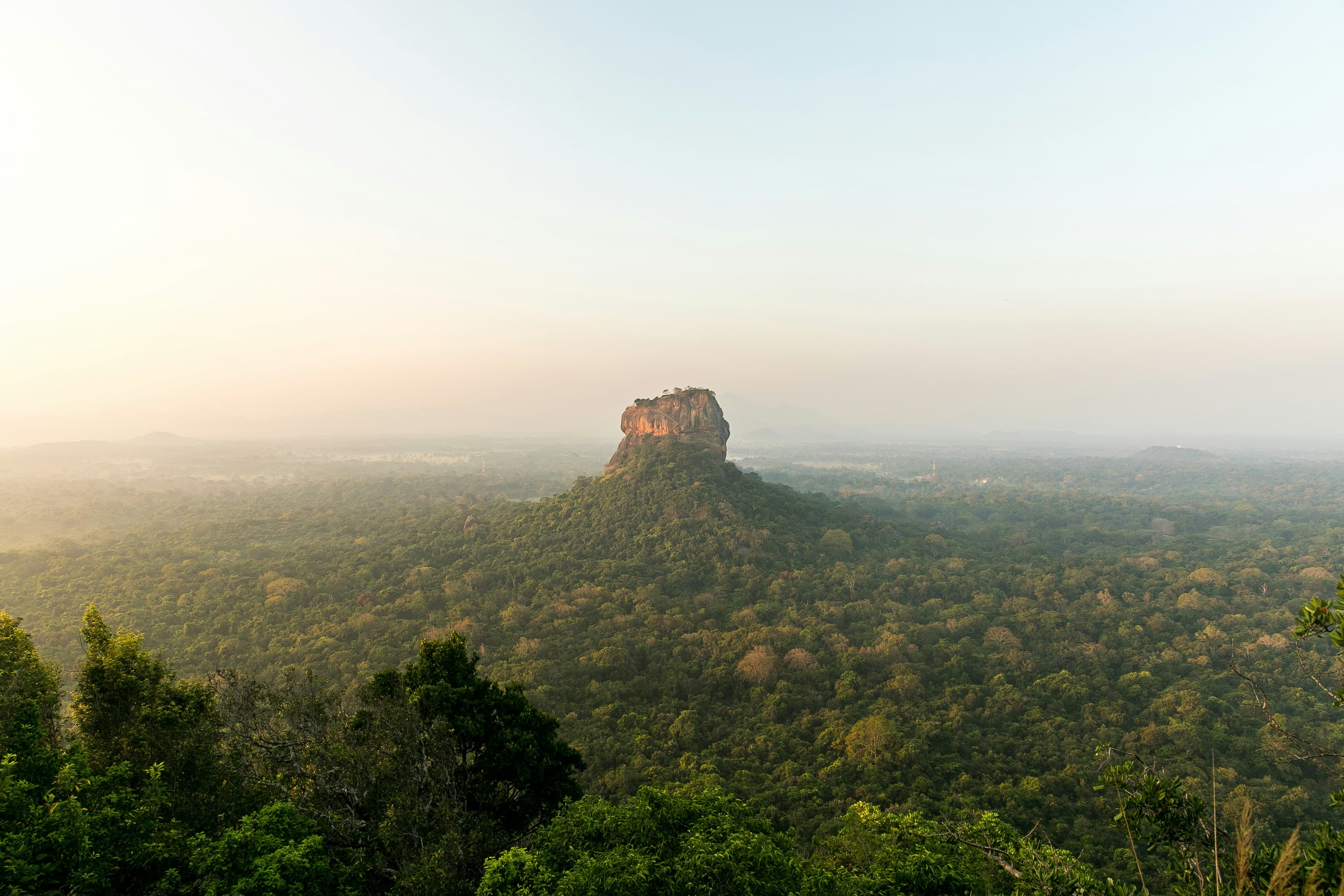
15 days · from $4,050
15 Days / 14 Nights Around Sri Lanka Tour
A comprehensive 15-day journey exploring ancient kingdoms, sacred sites, tea plantations, wildlife, and pristine beaches.
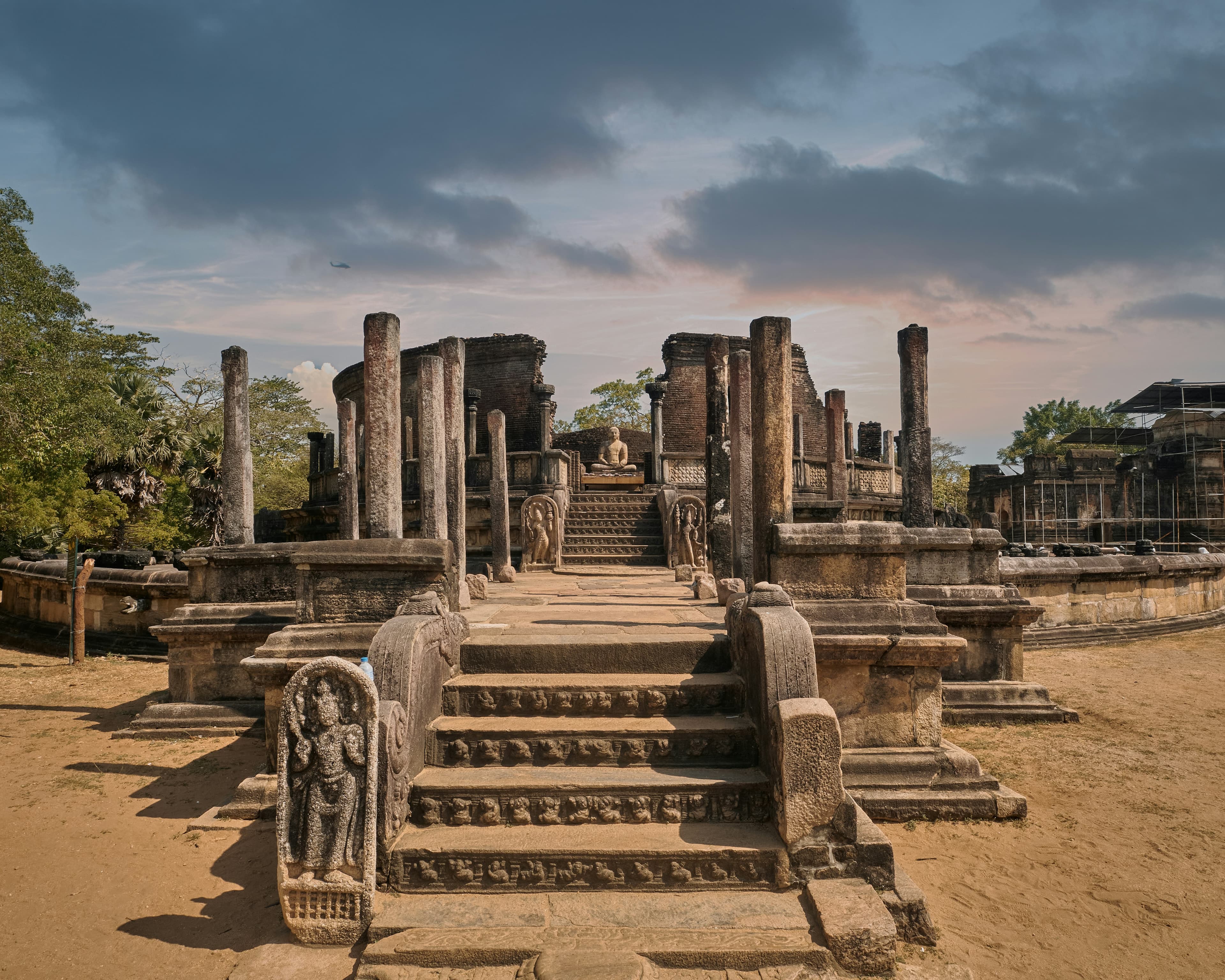
5 days · from $1,350
Classic Cultural Triangle Tour
A classic introduction to Sri Lanka’s rich cultural heritage. Visit the UNESCO ancient cities.
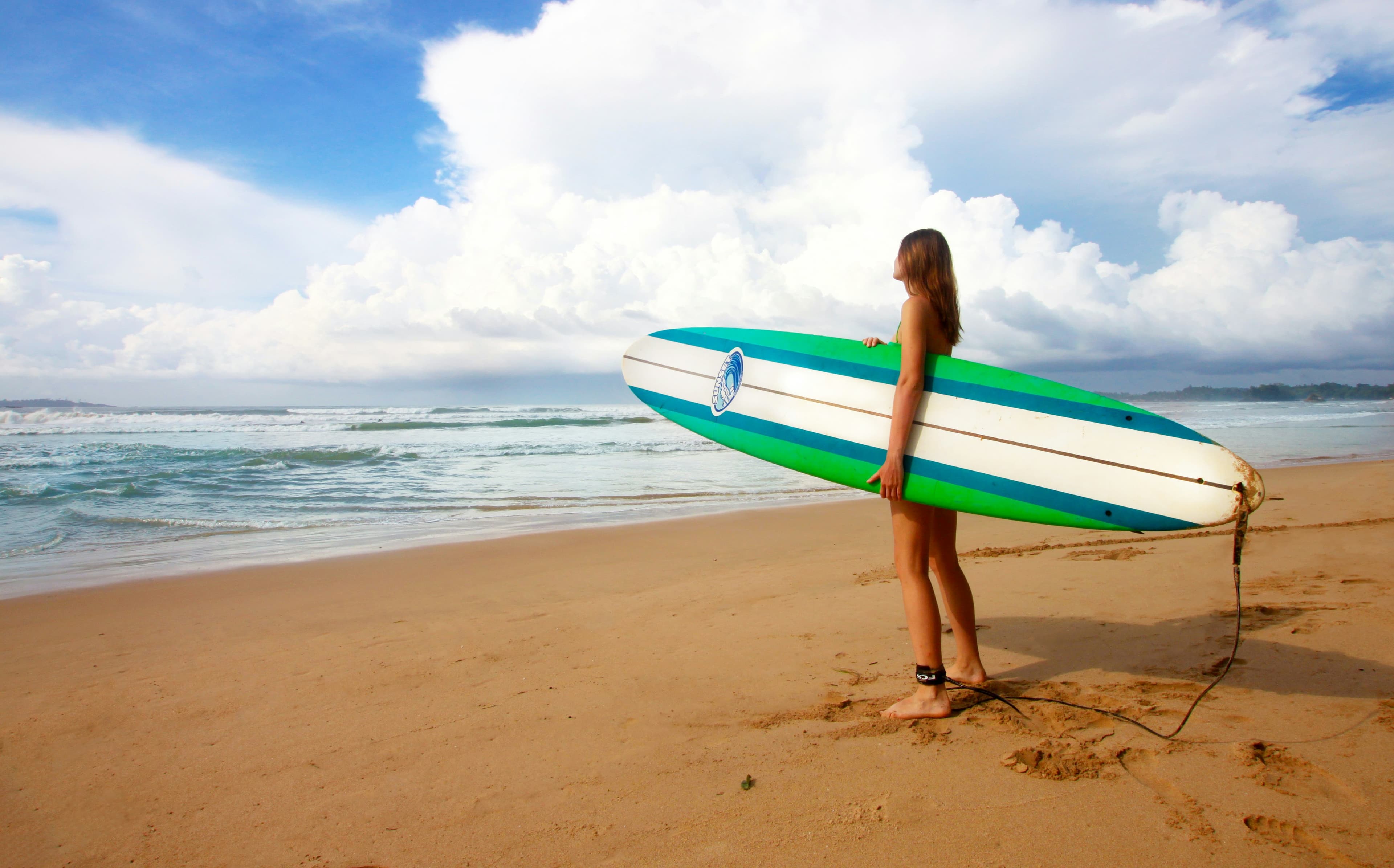
10 days · from $2,700
Sun, Sand & Surf – Coastal Bliss
A relaxing 10-day tour exploring Sri Lanka's stunning southern coast, featuring surfing, beach relaxation, and vibrant nightlife.
Useful reading
Guide
The 10-Day Sri Lanka Itinerary Most People Should Book
Ten days is the sweet spot for a first Sri Lanka trip: ancient cities, hill country, a safari and the south coast, without a hotel change every night. Day-by-day route with real driving times.
Guide
The Best Time to Visit Sri Lanka
Sri Lanka has two monsoons, so there is no single best month — there is a best coast for each month. A region-by-region breakdown of when to go, what the weather actually does, and how to plan around it.
Guide
Sri Lanka Visa and ETA: How to Apply
Most visitors need an Electronic Travel Authorization before flying to Sri Lanka. How to apply on the official site, what it costs, how long it takes, and the mistakes that cause problems at immigration.