
Central Highlands
Nuwara Eliya
Nuwara Eliya sits at 1,868m among Sri Lanka's highest tea estates, with a colonial-era climate the British made a hill station for. Tea factories, Horton Plains, and why you need a jumper.
Nuwara Eliya is Sri Lanka's highest town at 1,868 metres, at the centre of the country's best tea-growing region. The British built it as a hill station and the colonial architecture and cool climate earned it the nickname "Little England". Nights drop to single digits — bring warm layers.
| Elevation | 1,868 m — the highest town in Sri Lanka |
|---|---|
| Nickname | "Little England", from its colonial hill-station architecture |
| Climate | Cool year-round; nights can fall to 5–10°C. Warm layers essential |
| Known for | High-grown Ceylon tea, colonial architecture, Horton Plains |
| Nearest station | Nanu Oya, about 20 minutes away |
| Time needed | 1–2 nights |
| Peak season | April, when Sri Lankan holidaymakers arrive for the New Year |
| From Kandy | About 80 km, 3 hours by road or 4 hours by train |
About Nuwara Eliya
The first thing that surprises visitors about Nuwara Eliya is the cold. At nearly 1,900 metres the temperature drops into single figures overnight and mist rolls through the town most evenings. The British, escaping the heat of Colombo, built it to look like home: a racecourse, a golf course, mock-Tudor hotels, a post office with a clock tower, and hedges of English roses that grow better here than anywhere else in South Asia.
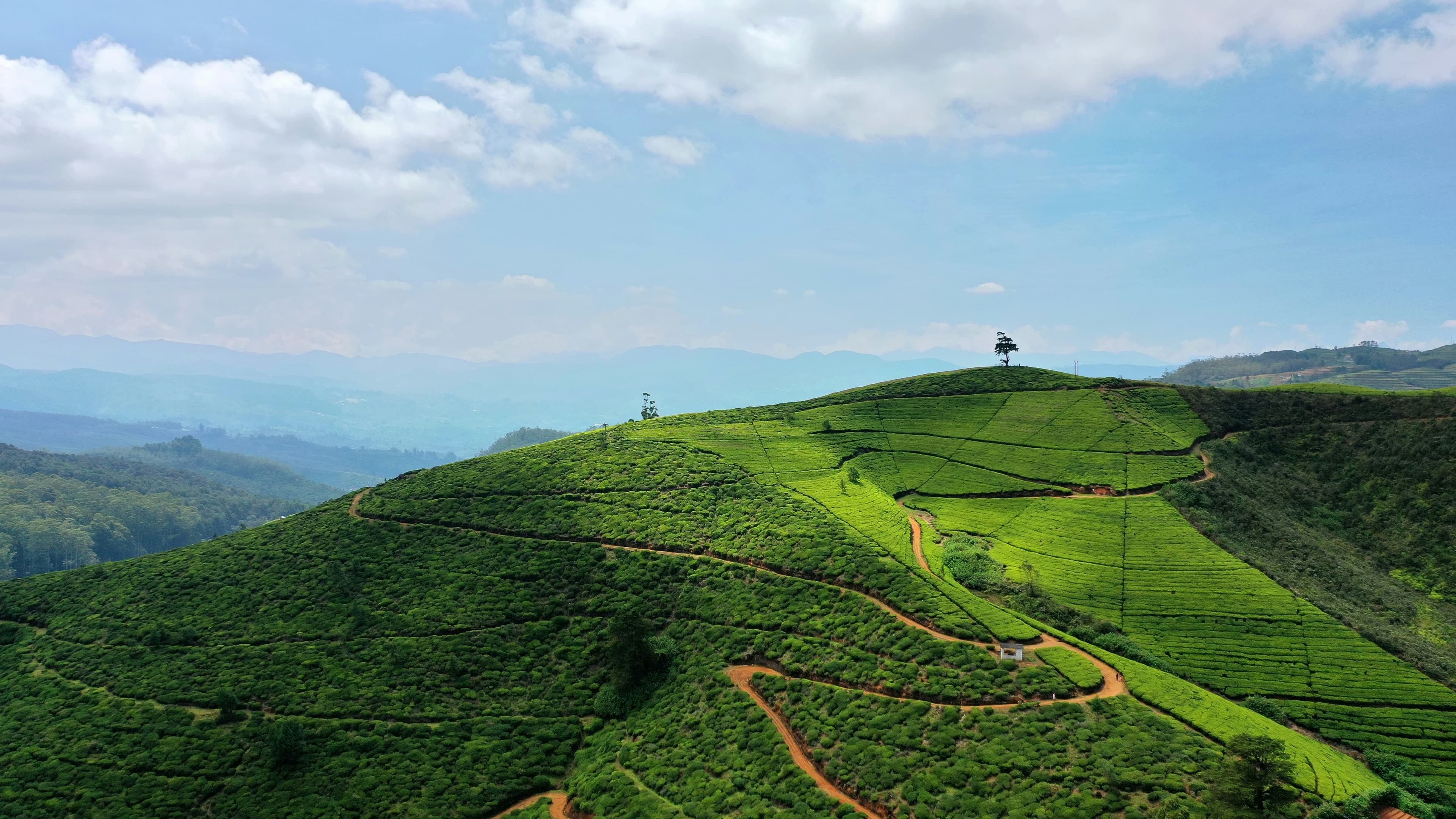
It sits in the middle of the high-grown tea belt, where the altitude and the cool nights produce the lightest and most aromatic Ceylon teas. The hillsides in every direction are corrugated with tea bushes, worked mostly by Tamil women whose ancestors were brought from South India by the British in the 19th century — a history that is central to the region and rarely mentioned in the brochures.
For most travellers Nuwara Eliya is a base rather than a destination in itself: a night or two to visit a working tea factory, walk to a viewpoint at dawn, and take the train onward to Ella.
What to see in Nuwara Eliya
A working tea factory
Several estates near the town run tours through the withering, rolling, oxidising and drying floors, ending in a tasting. Pedro Estate and Damro Labookellie are the most accessible; smaller estates give a quieter, less rehearsed visit.
Lipton's Seat
The viewpoint above Dambatenne where Thomas Lipton is said to have surveyed his estates. A dawn visit, before the cloud closes in, gives one of the great views in Sri Lanka — tea ridges falling away in every direction.
Horton Plains and World's End
A high plateau of montane grassland at 2,100 m, with a circular walk to a cliff edge dropping 870 metres. Start before dawn: the view is reliably clear until about 09:00, then vanishes into cloud for the rest of the day.
Gregory Lake
The town's recreational centre, with boat rides and a lakeside path. Busy with Sri Lankan families at weekends and holidays, which is much of its charm.
Victoria Park
A well-kept garden in the middle of town and, unexpectedly, a good birding site — the Kashmir flycatcher and Indian pitta are both reliably found here in season.
Best time to visit
February to April is driest and clearest. April is the Sri Lankan New Year holiday, when the town fills with domestic visitors and prices rise sharply. The southwest monsoon brings heavy rain and thick cloud from May to July. Whatever the season, pack warm clothing — this catches out almost every first-time visitor.
Getting there
Three hours by road from Kandy. The train to Nanu Oya, about 20 minutes from town, is the more memorable approach and one of the most scenic rail journeys in Asia. Roughly 5–6 hours by road from Colombo.
How long to spend
One or two nights. One is enough for a tea factory and the town; two allows an early start for Horton Plains, which genuinely needs a dawn departure to be worth doing.
Getting Horton Plains right
The World's End viewpoint is the reason most people come, and the single most common mistake is arriving late. Cloud builds from mid-morning and by 09:30 the 870-metre drop is usually a wall of white. Leaving Nuwara Eliya at around 05:00 puts you at the trailhead near opening and at the viewpoint while the view still exists.
The circuit is about 9 km and takes three to four hours, passing Little World's End, the main viewpoint and Baker's Falls on the way back. The terrain is easy but the altitude is over 2,000 metres and the wind is cold at dawn.
Plastic bottles and wrappers are searched for at the entrance and confiscated — the park is strict about litter. Bring a reusable bottle.
The tea, and who picks it
High-grown Ceylon tea from around Nuwara Eliya is prized for its light colour and briskness, and a factory tour is genuinely interesting — the process has changed remarkably little in a century.
It is worth knowing the human history alongside it. The estates are worked largely by Malaiyaha Tamils, descendants of labourers brought from Tamil Nadu under British rule, who were left stateless for decades after independence and remain among the poorest communities in Sri Lanka. Guides vary in how much of this they volunteer; ours will discuss it if you ask, and it makes the landscape read differently.
Nuwara Eliya in pictures

Frequently Asked Questions
- Do I need warm clothes in Nuwara Eliya?
- Yes, and this catches out most first-time visitors to Sri Lanka. At 1,868 metres the temperature falls to between 5 and 10°C overnight and many hotels have no heating. A fleece or jacket, long trousers and socks make the difference between enjoying the evenings and enduring them.
- What time should I leave for Horton Plains and World's End?
- Leave Nuwara Eliya around 05:00. The viewpoint is reliably clear until roughly 09:00 and then disappears into cloud for the rest of the day. Arriving at 10:00 usually means a three-hour walk to look at fog, which is a common and avoidable disappointment.
- Is Nuwara Eliya worth visiting, or should I go straight to Ella?
- It depends on your interests. Nuwara Eliya is the place for tea estates, Horton Plains and colonial-era atmosphere; Ella is younger, warmer, more relaxed and better for hiking and views. If you have limited time and want one hill-country base, most travellers prefer Ella. If tea and Horton Plains matter to you, Nuwara Eliya earns its night.
- How long is the train from Nuwara Eliya to Ella?
- About three to four hours from Nanu Oya station to Ella, and it is the most celebrated stretch of the line — tea estates, tunnels, waterfalls and the Nine Arches area. Reserved seats sell out well in advance during high season.
Tours that visit Nuwara Eliya

10 days · from $2,700
Tea & Mountains Escape – Misty Highlands
Experience the serene beauty of Sri Lanka’s hill country, tea plantations, and scenic train rides in this 10-day adventure.
15 days · from $4,050
15 Days / 14 Nights Around Sri Lanka Tour
A comprehensive 15-day journey exploring ancient kingdoms, sacred sites, tea plantations, wildlife, and pristine beaches.
6 days · from $1,620
Mountain Hiking Adventure – Peaks & Trails
A thrilling 6-day hiking adventure through Sri Lanka's stunning hill country, featuring World's End, Ella Rock, and Lipton's Seat.
Nearby destinations

Uva Province (Hill Country)
Ella
Ella is a small town in Sri Lanka's hill country at about 1,040 metres, known for the Nine Arches Bridge, short rewarding hikes up Little Adam's Peak and Ella Rock, and the scenic train line from Kandy. Two nights is the usual stay. Warmer and more relaxed than Nuwara Eliya.
Central Highlands
Kandy
Kandy is Sri Lanka's cultural capital and the last kingdom to fall to colonial rule, in 1815. It holds the Temple of the Sacred Tooth Relic (Sri Dalada Maligawa), the most important Buddhist shrine in the country. Most visitors spend one or two nights, timing a visit around one of the three daily puja ceremonies.