
Travel guide
Sri Lanka with Children: A Practical Guide
Sri Lanka works well with children if you plan around driving times and heat. Which parks and beaches suit families, what to skip, health and food practicalities, and realistic daily pacing.
Sri Lanka suits family travel well: short flights within the island, warm sea, elephants that are genuinely easy to see, and a culture that is openly welcoming to children. The main constraint is road journeys, which take far longer than distances suggest. Plan around driving time, not kilometres.
Why Sri Lanka works with children
Sri Lankan culture is warmly, sometimes overwhelmingly, welcoming to children. Staff will pick up your toddler; strangers will engage your kids in conversation on trains. Families travelling with young children are treated as entirely normal rather than as an inconvenience.
The wildlife is the other advantage. Elephants at Udawalawe are close to guaranteed on any drive, and for a child the experience of watching a wild herd cross open grassland is unmatched by any zoo. Turtles, whales in season, and monkeys everywhere fill in around it.
Distances are short in principle — you can cross the island in a day — and the variety within that is enormous. Beach, mountains, jungle and ancient cities are all within a few hours of each other, which keeps a two-week trip varied without long-haul internal travel.
The real constraint: driving times
This is the single thing that ruins family itineraries in Sri Lanka. The map suggests short hops; the reality is winding roads, slow average speeds and journeys that routinely take twice as long as the distance implies. Colombo to Sigiriya is about 170 km and takes four to five hours.
An itinerary built by looking at a map will have children in a vehicle for five hours a day. Built properly, the same trip has them in a vehicle for two.
Our rule for family trips is a maximum of three hours driving in a day, and ideally under two, with at least two nights in each base so there are days with no packing at all. That means covering less ground, and it is almost always the right trade.
- Maximum three hours in the vehicle on any day; under two where possible
- At least two nights per base — one-night stops are exhausting with children
- Start early: activity before 11:00, rest or pool through the hottest hours, out again after 16:00
- Build in genuine downtime; a beach day between regions resets everyone
What works well, and what to skip
Not everything on a standard Sri Lanka itinerary suits younger children, and being selective makes the difference between a good trip and an endured one.
| Works well | Be cautious | Usually skip with young children |
|---|---|---|
| Udawalawe safari — elephants guaranteed, short drive | Sigiriya climb — fine for steady older children, not for toddlers | Adam's Peak — a night climb of 5,500 steps |
| Turtle hatcheries on the south coast | Yala — longer drives, less certain sightings | Horton Plains — 05:00 start, 9 km walk, cold |
| Train rides in the hill country — short legs | Whale watching — rough seas, high seasickness rate | Long Cultural Triangle days in April heat |
| Beaches: Unawatuna, Nilaveli, Bentota | Colombo — traffic and heat, limited child appeal | Sinharaja — leeches and slow birding |
| Cooking classes and spice gardens | Dambulla — manageable, but a hot barefoot terrace | Multi-stop days with three sites |
Health and practical matters
Sri Lanka is a straightforward destination healthwise, but a few things are worth knowing in advance.
Tap water is not drinkable. Bottled or filtered water only, including for teeth. Dengue is present, particularly in urban and coastal areas during and after the rains, and it is mosquito-borne with daytime-biting mosquitoes — repellent during the day matters more than at night. Malaria was eliminated in Sri Lanka in 2016 and prophylaxis is not required.
Private hospitals in Colombo and larger towns are good and inexpensive by Western standards. Travel insurance covering medical evacuation is still essential. Bring any specific children's medication with you; brands differ and pharmacies may not stock what you use.
Sun is stronger than most visitors expect at this latitude. High-factor sunscreen, hats and rash vests for the beach are not optional, and the hours between 11:00 and 15:00 are genuinely best spent indoors or in shade.
Food with children
Sri Lankan food is chilli-forward, which is the main practical issue. Almost every restaurant will prepare dishes mild on request, and it is worth asking rather than assuming — "no chilli" is understood everywhere.
Reliable options for less adventurous eaters are everywhere: rice, dhal (mild and usually a hit), string hoppers, plain hoppers, roti, grilled fish, and an abundance of tropical fruit. Kottu roti without chilli is a genuine crowd-pleaser.
Hotels catering to international visitors always have Western options. Do not assume you need them, though — most children take to dhal and rice quickly, and the fruit alone is a highlight.
A note on elephant experiences
Elephant rides and bathing experiences are marketed heavily to families in Sri Lanka and are best avoided. The training that makes a wild animal safe to ride is not something most parents would want to explain to their children, and welfare standards at these facilities are inconsistent at best.
The alternatives are better anyway. Udawalawe delivers wild elephants at close range from a vehicle, and the Elephant Transit Home nearby raises orphaned calves for release with minimal human contact and lets visitors watch feeding from a platform. We will not book elephant riding.
Frequently Asked Questions
- Is Sri Lanka safe for children?
- Yes. Crime against tourists is low, the culture is exceptionally welcoming to children, and private healthcare in Colombo and larger towns is good. The practical risks are sun, dengue-carrying mosquitoes that bite during the day, unsafe tap water, and strong sea currents on some beaches — all manageable with normal precautions.
- What is the best age to take children to Sri Lanka?
- It works at any age, but the trip changes. Under three, keep it very simple — one beach base and one wildlife park. From about five, children get a lot from safaris and short train journeys. From eight upwards, most of a standard itinerary is achievable including the Sigiriya climb, though pacing still matters more than for adults.
- How long should a family trip to Sri Lanka be?
- Ten to fourteen days. A seven-day trip with children ends up being mostly driving if you try to cover the classic route. Ten days allows the Cultural Triangle, one hill-country stop, a safari and a beach stay at a humane pace, with two nights minimum in each place.
- Can children climb Sigiriya?
- Steady children of around six and up generally manage it well and enjoy the achievement. The upper section is open metal staircase against the rock face with a significant drop, so it is not suitable for toddlers or for anyone who needs carrying. The water gardens and museum at the base are worth visiting independently, so a group can split.
- Do we need vaccinations or malaria tablets for Sri Lanka?
- Malaria was eliminated in Sri Lanka in 2016 and prophylaxis is not required. Routine vaccinations should be up to date, and hepatitis A and typhoid are commonly recommended. Dengue is present and mosquito-borne, so daytime repellent matters. Always confirm current advice with a travel clinic before you go.
Tours to consider

10 days · from $2,700
The Great Wilderness – Wildlife Odyssey
A comprehensive 10-day wildlife expedition through Sri Lanka's top national parks, from Yala's leopards to Minneriya's elephants.
10 days · from $2,700
Sun, Sand & Surf – Coastal Bliss
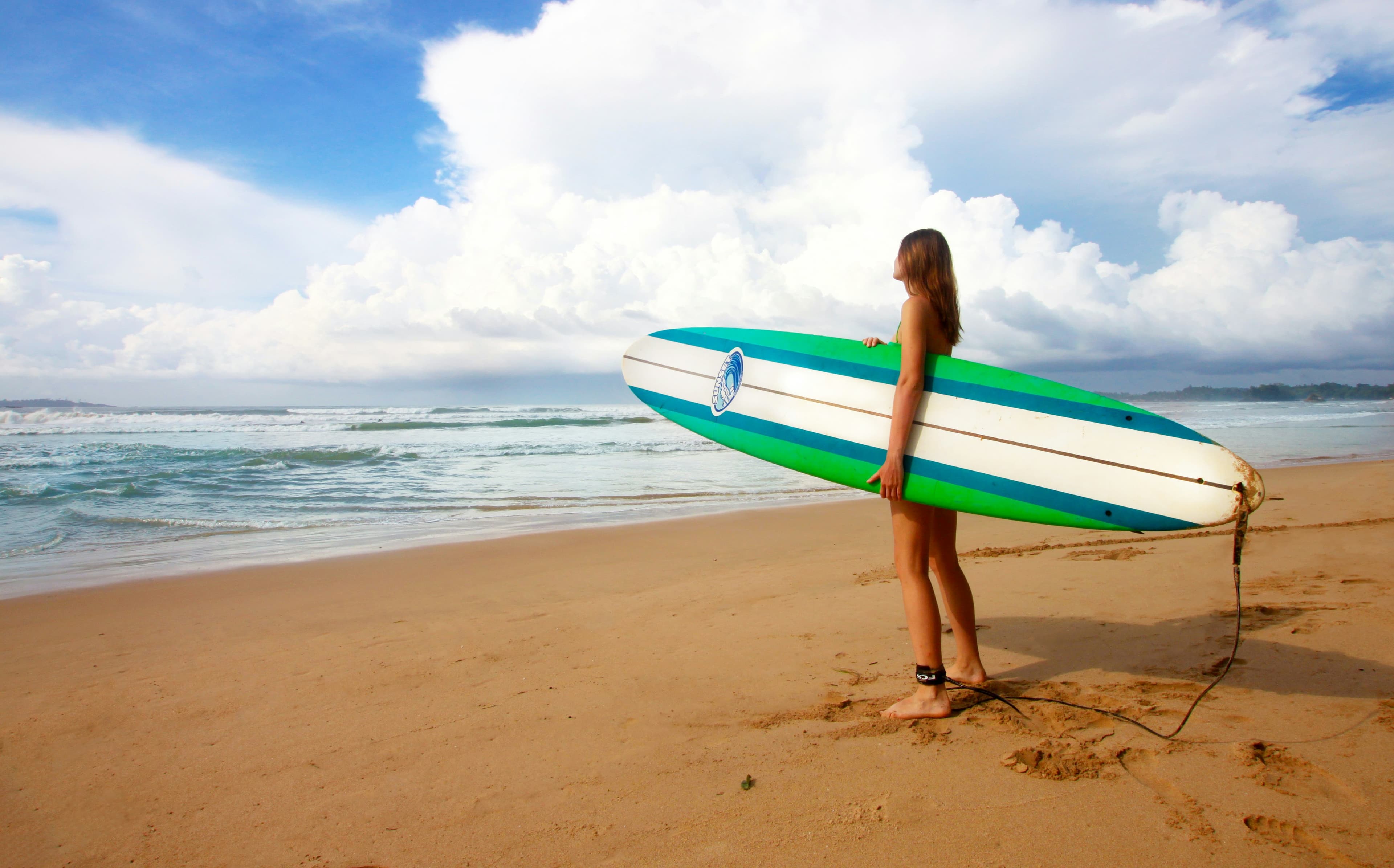
A relaxing 10-day tour exploring Sri Lanka's stunning southern coast, featuring surfing, beach relaxation, and vibrant nightlife.

4 days · from $1,080
Short Sri Lanka Snapshot
For those with limited time, this tour hits the highlights: Culture, Heritage, and Coast.
Destinations mentioned
Sabaragamuwa & Uva Provinces
Udawalawe National Park
Udawalawe National Park in southern Sri Lanka is the most reliable place in the country to see wild elephants — several hundred live there year-round in open grassland, and sightings on any drive are close to certain. It is calmer and less crowded than Yala, which makes it the better first safari.

Southern Province
Mirissa
Mirissa is a crescent beach town on Sri Lanka's south coast and the country's main base for blue whale watching, which runs roughly November to April. Boats leave around 06:30 and trips take three to five hours. The beach itself is relaxed, with good swimming outside monsoon season.
Cultural Triangle (Matale District)
Sigiriya
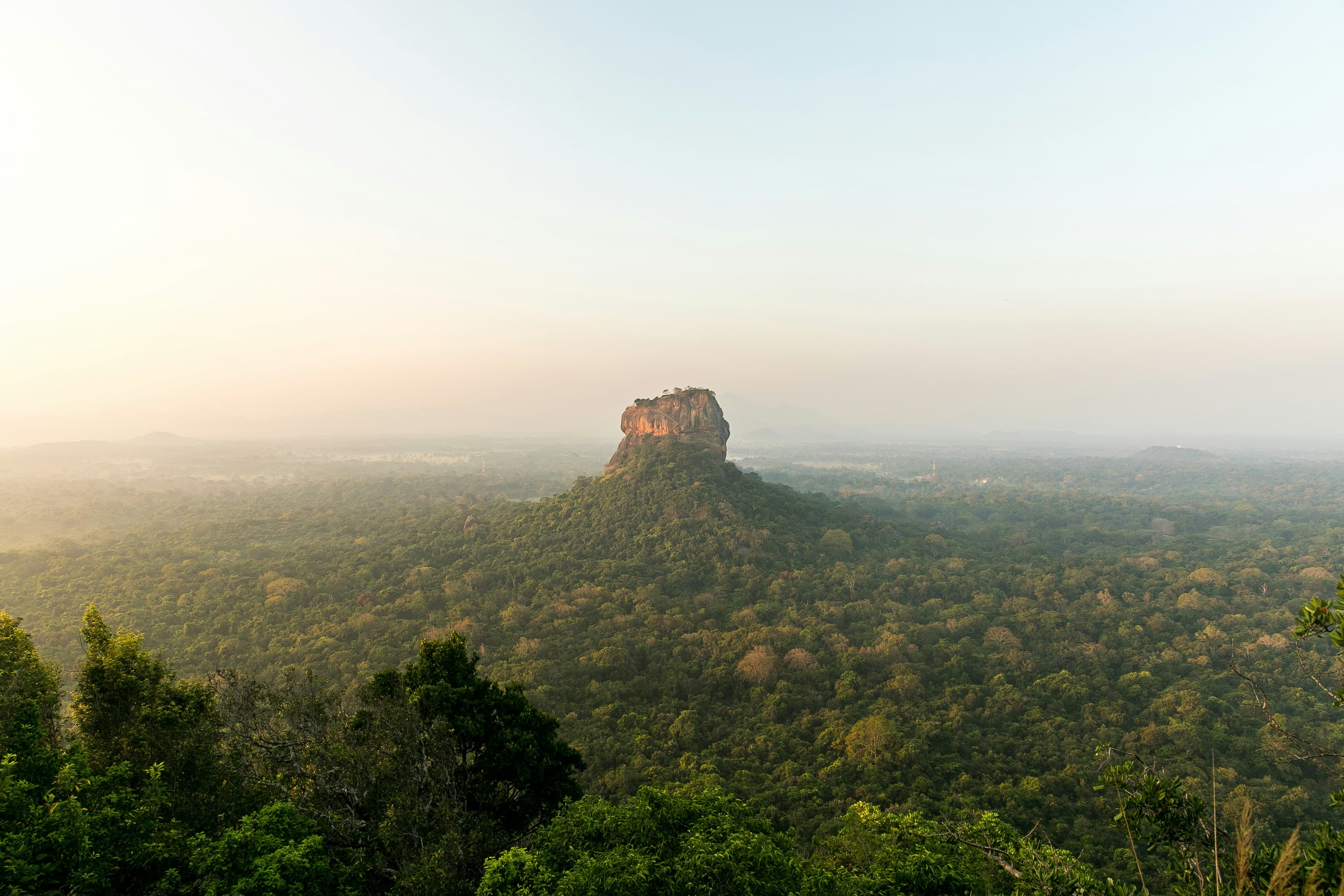
Sigiriya is a 5th-century rock fortress built on a 180-metre granite monolith in central Sri Lanka, and a UNESCO World Heritage Site. The climb is about 1,200 steps and takes 1.5 to 3 hours return. Go at opening or late afternoon — midday heat on exposed stairways is punishing.

Uva Province (Hill Country)
Ella
Ella is a small town in Sri Lanka's hill country at about 1,040 metres, known for the Nine Arches Bridge, short rewarding hikes up Little Adam's Peak and Ella Rock, and the scenic train line from Kandy. Two nights is the usual stay. Warmer and more relaxed than Nuwara Eliya.
Related guides
Guide
The 10-Day Sri Lanka Itinerary Most People Should Book
Ten days is the sweet spot for a first Sri Lanka trip: ancient cities, hill country, a safari and the south coast, without a hotel change every night. Day-by-day route with real driving times.
Guide
Is Sri Lanka Safe for Travellers?
Sri Lanka is generally safe for visitors, with low violent crime. The real risks are road traffic, sea currents, dengue and heat — not the things travellers usually worry about. What to actually be careful of.
Guide
What to Pack for Sri Lanka
A packing list built around what Sri Lanka actually demands: temple dress codes, hill-country cold that surprises everyone, monsoon rain, safari dust and leeches in the rainforest.