
Travel guide
Is Sri Lanka Safe for Travellers?
Sri Lanka is generally safe for visitors, with low violent crime. The real risks are road traffic, sea currents, dengue and heat — not the things travellers usually worry about. What to actually be careful of.
Sri Lanka is a generally safe destination with low rates of violent crime against tourists. The civil war ended in 2009 and the 2022 economic crisis has eased. The genuine risks are road traffic, strong sea currents, dengue fever and heat — not crime or political violence.
The short answer, and the context
Sri Lanka is safe for visitors by most reasonable measures. Violent crime against tourists is rare, the country is well used to international visitors, and most travellers complete a trip without incident of any kind.
Two events shape how people ask this question. The civil war ended in 2009; the country has been at peace for well over a decade and the formerly affected north and east are open and visited. The 2022 economic crisis produced fuel queues, power cuts and large protests; that situation has substantially normalised, though it is worth checking current conditions before travel.
The Easter Sunday bombings of 2019 were a genuine tragedy and remain in people's minds. Security at religious sites, hotels and airports was tightened considerably afterwards, and there has been no comparable incident since.
Always check your own government's current travel advice before booking, since that is what your insurance is written against.
The risks that actually cause harm
The things that injure visitors to Sri Lanka are rarely the things they worry about beforehand.
| Risk | How serious | What to do |
|---|---|---|
| Road traffic | The single largest risk to visitors | Use a professional driver. Avoid self-driving and night driving on rural roads. Insist on seatbelts. |
| Sea currents and rip tides | Drownings occur every year | Swim only where locals swim. Respect red flags. The south coast is dangerous during the May–September monsoon. |
| Dengue fever | Common, occasionally serious | Daytime repellent — the mosquito bites in daylight. Worse during and after rains. |
| Heat and dehydration | Very common, rarely reported | Start early, rest 11:00–15:00, drink far more than feels necessary. |
| Petty theft | Occasional, opportunistic | Normal precautions. Hotel safes, zipped bags in crowds, care at Pettah market. |
| Wild elephants on roads | Real in some regions | Never drive at dawn or dusk near Arugam Bay, Habarana or Udawalawe without local knowledge. |
| Stray dogs | Rabies is present | Do not approach or feed. Any bite or scratch needs medical attention immediately. |
Solo and female travellers
Sri Lanka is a common destination for solo travellers, including women, and most report positive experiences. That said, women travelling alone should expect a level of staring, unsolicited conversation and occasional unwanted physical contact — particularly on crowded public buses and trains — that is more persistent than in most of Europe or North America.
This is more often tiresome than threatening, but it is real, and reports of groping on packed buses are common enough to be worth planning around. Practical responses: dress modestly away from beach resorts, sit in the women's section or a reserved seat where available, be direct and loud if someone crosses a line, and avoid walking alone on unlit beaches at night.
A private vehicle removes most of this friction, which is one of the less-discussed reasons solo women often choose a driver-guide over public transport here.
Health
Malaria was eliminated in Sri Lanka in 2016 and prophylaxis is not needed. Dengue, however, is present year-round and peaks after the rains — it is carried by a mosquito that bites during the day, so repellent in the afternoon matters more than a net at night.
Tap water is not safe to drink. Use bottled or filtered water, including for brushing teeth. Stomach upsets are common in the first days and usually mild; street food from busy stalls with high turnover is generally safer than quiet ones.
Routine vaccinations should be current, and hepatitis A and typhoid are commonly recommended — confirm with a travel clinic. Private hospitals in Colombo and larger towns are good and inexpensive by Western standards, but travel insurance covering medical evacuation is essential.
Scams and annoyances
Nothing here is dangerous, but knowing about it saves money and irritation.
- Tuk-tuk fares: insist on the meter in Colombo, or agree a price before setting off elsewhere. Unmetered fares quoted to tourists are routinely several times the local rate.
- Gem shops: a driver or "helpful stranger" steering you to a gem or spice shop is on commission. Sri Lankan gems are real, but buying them as an amateur from a shop you were taken to is a reliable way to overpay.
- "The temple is closed today, but I can show you a special ceremony" — a standard opener. Sites are rarely closed.
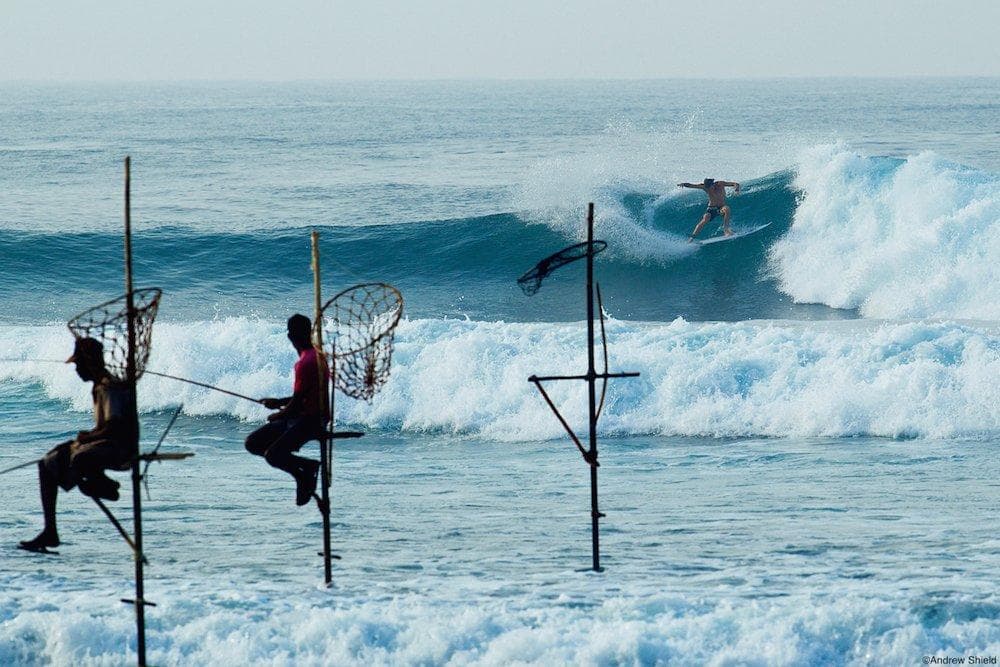
- Stilt fishermen posing for photographs now charge for the privilege. Agree an amount first rather than after.
- Visa agent websites charging several times the official ETA fee.
Frequently Asked Questions
- Is Sri Lanka safe to visit right now?
- Generally, yes. Violent crime against tourists is rare, the civil war ended in 2009, and the disruption from the 2022 economic crisis has substantially eased. Check your own government's current travel advice before booking, since that is what your insurance is underwritten against.
- Is Sri Lanka safe for solo female travellers?
- Broadly yes, and many women travel alone there. Expect more staring and unsolicited attention than in Europe or North America, and be aware that groping on crowded public buses is reported often enough to take seriously. Dressing modestly away from beaches, being direct when someone oversteps, and using private transport rather than packed buses all reduce the friction considerably.
- What is the biggest danger in Sri Lanka?
- Road traffic, by a wide margin. Overtaking on blind bends is normal, buses drive aggressively, and pedestrians have little protection. Using a professional driver rather than self-driving or hiring a scooter is the single most effective safety decision a visitor can make. Sea currents are the second most serious risk.
- Do I need vaccinations for Sri Lanka?
- No vaccinations are legally required for most travellers, but routine immunisations should be current and hepatitis A and typhoid are commonly recommended. Malaria was eliminated in 2016 so prophylaxis is not needed. Dengue is present and mosquito-borne, biting during the day. Confirm current advice with a travel clinic.
- Can I drink the tap water in Sri Lanka?
- No. Use bottled or properly filtered water, including for brushing your teeth. Ice in established hotels and restaurants is generally made from treated water and is fine; be more cautious at roadside stalls.
Tours to consider
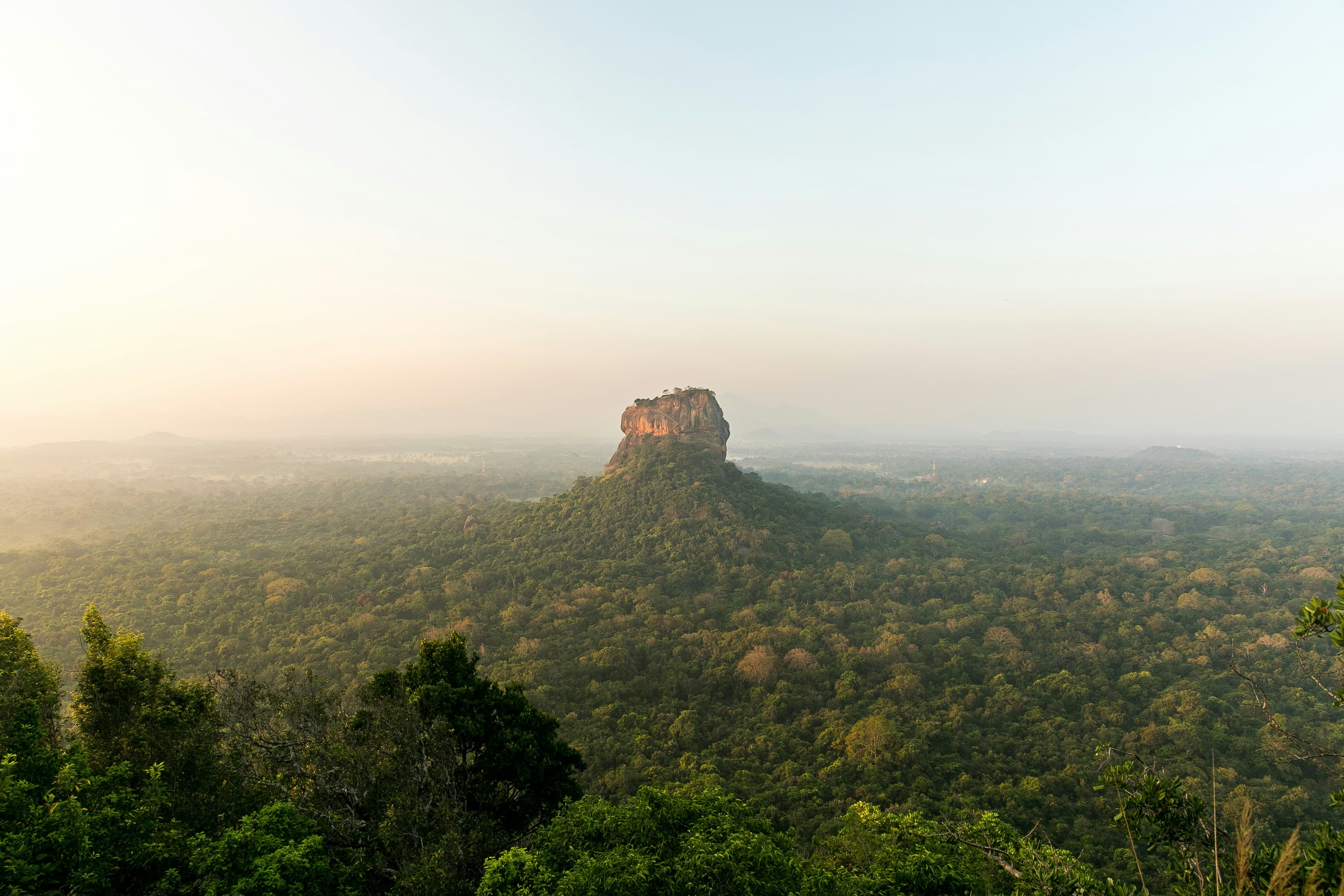
15 days · from $4,050
15 Days / 14 Nights Around Sri Lanka Tour
A comprehensive 15-day journey exploring ancient kingdoms, sacred sites, tea plantations, wildlife, and pristine beaches.

4 days · from $1,080
Short Sri Lanka Snapshot
For those with limited time, this tour hits the highlights: Culture, Heritage, and Coast.
Destinations mentioned

Western Province
Colombo
Colombo is Sri Lanka's largest city and commercial capital, and the arrival point for nearly every visitor via Bandaranaike International Airport, about 35 km north. Most travellers spend half a day to one night here. Highlights are Pettah market, the Gangaramaya temple, Galle Face Green and the colonial Fort district.

Southern Province
Mirissa
Mirissa is a crescent beach town on Sri Lanka's south coast and the country's main base for blue whale watching, which runs roughly November to April. Boats leave around 06:30 and trips take three to five hours. The beach itself is relaxed, with good swimming outside monsoon season.
Eastern Province
Arugam Bay
Arugam Bay on Sri Lanka's east coast is the country's best surf destination, centred on a right-hand point break that works from roughly May to September. Several breaks nearby suit all levels. Out of season it is very quiet — the swell and most of the businesses disappear.
Related guides
Guide
Sri Lanka with Children: A Practical Guide
Sri Lanka works well with children if you plan around driving times and heat. Which parks and beaches suit families, what to skip, health and food practicalities, and realistic daily pacing.
Guide
What to Pack for Sri Lanka
A packing list built around what Sri Lanka actually demands: temple dress codes, hill-country cold that surprises everyone, monsoon rain, safari dust and leeches in the rainforest.
Guide
Sri Lanka Visa and ETA: How to Apply
Most visitors need an Electronic Travel Authorization before flying to Sri Lanka. How to apply on the official site, what it costs, how long it takes, and the mistakes that cause problems at immigration.