
Uva Province (Hill Country)
Ella
Ella is a small hill-country town with big views: Nine Arches Bridge, Little Adam's Peak, Ella Rock and Ravana Falls. What each hike involves, when trains cross the bridge, and how long to stay.
Ella is a small town in Sri Lanka's hill country at about 1,040 metres, known for the Nine Arches Bridge, short rewarding hikes up Little Adam's Peak and Ella Rock, and the scenic train line from Kandy. Two nights is the usual stay. Warmer and more relaxed than Nuwara Eliya.
| Elevation | About 1,040 m — noticeably warmer than Nuwara Eliya |
|---|---|
| Known for | Nine Arches Bridge, Little Adam's Peak, Ella Rock, the hill country train |
| Little Adam's Peak | Easy; 45–60 minutes return from town |
| Ella Rock | Moderate; 3–4 hours return, a guide is genuinely useful |
| Nine Arches Bridge | 15-minute walk from town; several trains cross daily |
| Time needed | 2 nights |
| From Kandy by train | About 6–7 hours, the most scenic rail route in the country |
| From Nuwara Eliya | About 3–4 hours by train, 2 hours by road |
About Ella
Ella was a quiet village until the hill country train and a handful of photographs made it one of the most visited places in Sri Lanka. It is busier and more developed than it was, with cafés and guesthouses lining the main street — but the setting has not changed, and the reason people come is still obvious the moment you look south through Ella Gap towards the plains and, on clear days, the distant sea.
At around 1,040 metres it sits considerably lower and warmer than Nuwara Eliya, which most visitors find more comfortable. The pace is slower and the walking is the point: three good hikes start within a few minutes of the town centre, none requiring any technical skill.
The Nine Arches Bridge, a 30-metre-high viaduct built of stone and brick during the British period, is a fifteen-minute walk from town through tea gardens. It is at its best when a train crosses, which turns a handsome piece of engineering into the photograph everybody came for.
What to see in Ella
Nine Arches Bridge
A colonial-era stone viaduct spanning a jungle gorge, 30 metres high and built without steel. Several trains cross daily; the crossing times are posted locally and change, so ask on the day rather than trusting a schedule found online.
Little Adam's Peak
The easiest of the hikes and the best value for effort — 45 to 60 minutes return on a clear path, ending on a ridge with a panorama over Ella Gap. Popular at sunrise.
Ella Rock
A tougher three to four hour return hike along railway tracks and up through tea and forest. The route is poorly marked and easy to lose; hiring a local guide is worth it and supports the village economy.
Ravana Falls
A 25-metre cascade beside the road towards Wellawaya, at its most dramatic during and just after the rains. Roadside and easy to reach; the pool below is not always safe to swim.
Ravana Cave
A cave in the cliff above the falls, linked in local tradition to the Ramayana — said to be where Ravana held Sita captive. A steep climb of several hundred steps.
Best time to visit
January to March is driest and clearest. Ella lies on the eastern side of the hills, so it is less affected by the southwest monsoon than Nuwara Eliya, but gets rain from the northeast monsoon between roughly October and January. Mornings are almost always clearer than afternoons, whatever the month — do the hikes early.
Getting there
The train is the classic approach: about six to seven hours from Kandy, or three to four from Nanu Oya. By road it is roughly two hours from Nuwara Eliya, and six to seven from Colombo. Ella is also a natural stop between the hill country and the southern beaches or Yala.
How long to spend
Two nights. That gives one full day for Little Adam's Peak and the Nine Arches Bridge, and a second morning for Ella Rock or Ravana Falls before moving on.
Timing the Nine Arches Bridge
The bridge is worth seeing at any time, but the photograph everyone wants involves a train. Several services cross each day and the times are widely posted in Ella cafés and guesthouses — but they shift, and trains on this line run late as a matter of routine. Ask locally on the morning you plan to go rather than relying on a timetable published online.
The viewpoints get crowded around the popular crossings. Arriving 30–40 minutes early gets you a position; walking a little further along the track thins the crowd considerably.
People do walk on the bridge and along the tracks. Trains are slow and audible well in advance, but this is a live railway and there is no barrier — treat it with the caution that implies.
Which hike to choose
If you only do one, do Little Adam's Peak. It takes under an hour return, the path is obvious, and the view over Ella Gap from the ridge is the equal of anything harder.
Ella Rock is the more satisfying walk for anyone who likes hiking: three to four hours, a real climb, and far fewer people at the top. The route follows the railway line for a stretch and then branches unmarked through tea and scrub, and getting lost is common enough that a guide is a sensible investment.
Both are best started early. Cloud builds through the day, and by mid-afternoon the views from either summit are often gone.
Ella in pictures


Frequently Asked Questions
- How many days should I spend in Ella?
- Two nights suits most people. That covers Little Adam's Peak and the Nine Arches Bridge on one day, and Ella Rock or Ravana Falls on the second morning. Three nights if you want genuinely unhurried time, or are using Ella as a base to rest between longer drives.
- What time does the train cross Nine Arches Bridge?
- Several trains cross daily and the times are posted around town, but they change and delays are routine on this line. Ask at your guesthouse or a local café on the morning you plan to visit rather than relying on a schedule found online. Arrive 30 minutes before a crossing to get a spot at the viewpoint.
- Is Ella Rock hard?
- It is a moderate three to four hour return hike with a sustained climb, no technical difficulty, but a genuinely confusing route — it follows railway tracks then branches onto unmarked paths through tea and forest. Plenty of visitors get lost. A local guide costs little and removes the problem.
- Ella or Nuwara Eliya — which is better?
- Ella is warmer, more relaxed and better for hiking and views; Nuwara Eliya is cooler, more colonial in character, and the base for tea estates and Horton Plains. If you can only fit one hill-country stop, most travellers prefer Ella. Many itineraries include both, since the train between them is a highlight in itself.
Tours that visit Ella

10 days · from $2,700
Tea & Mountains Escape – Misty Highlands
Experience the serene beauty of Sri Lanka’s hill country, tea plantations, and scenic train rides in this 10-day adventure.
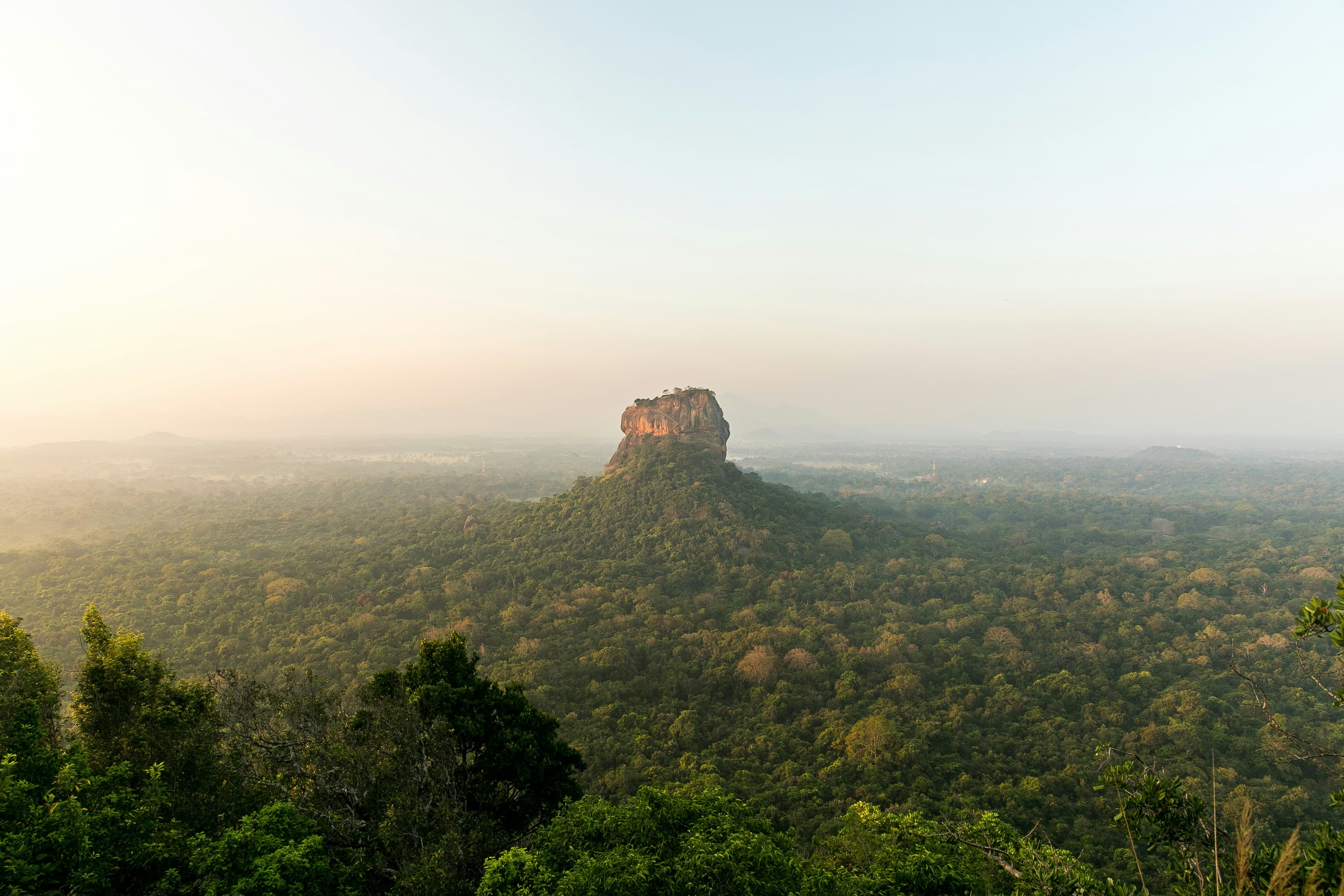
15 days · from $4,050
15 Days / 14 Nights Around Sri Lanka Tour
A comprehensive 15-day journey exploring ancient kingdoms, sacred sites, tea plantations, wildlife, and pristine beaches.

6 days · from $1,620
Mountain Hiking Adventure – Peaks & Trails
A thrilling 6-day hiking adventure through Sri Lanka's stunning hill country, featuring World's End, Ella Rock, and Lipton's Seat.
Nearby destinations

Central Highlands
Nuwara Eliya
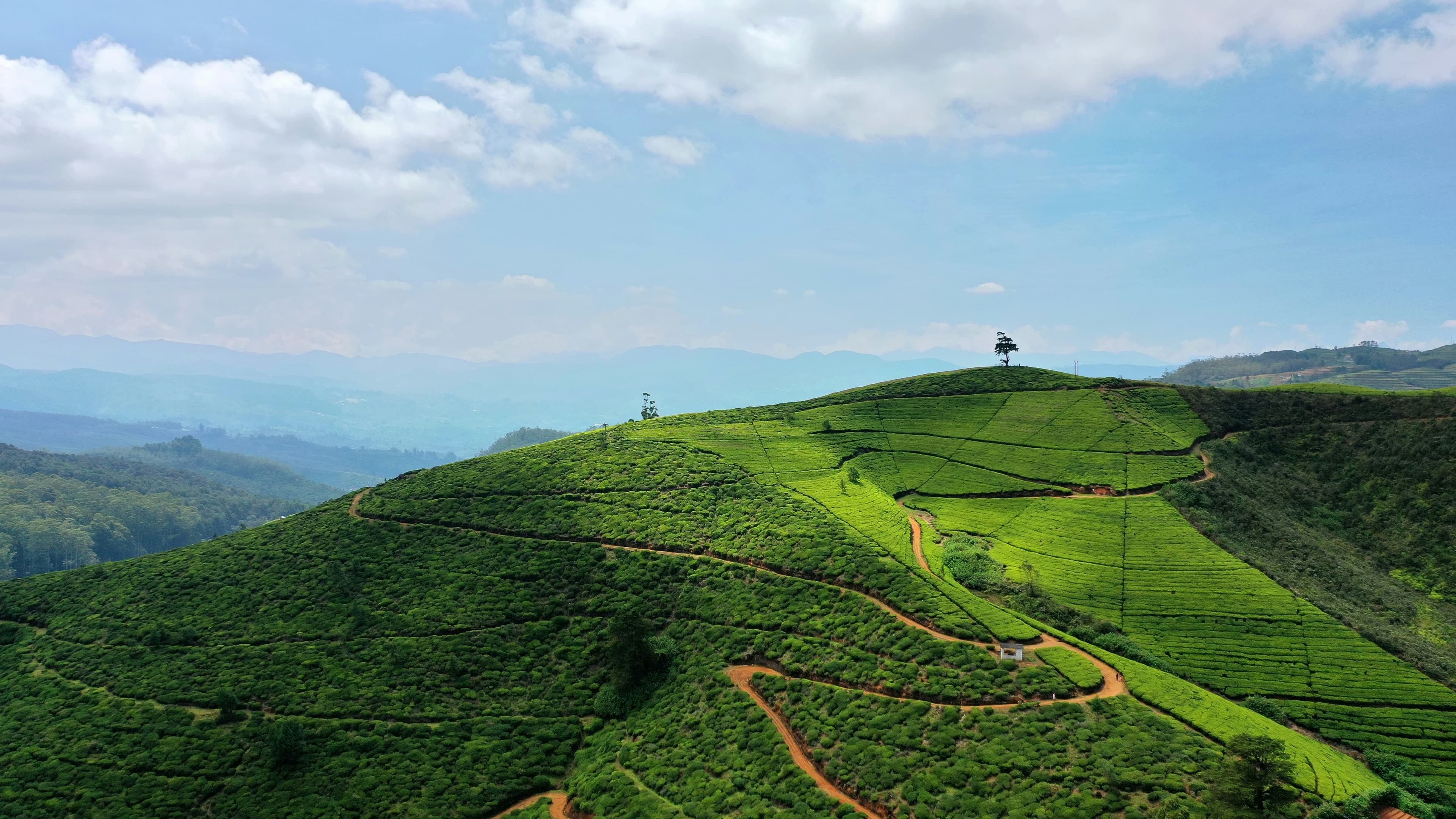
Nuwara Eliya is Sri Lanka's highest town at 1,868 metres, at the centre of the country's best tea-growing region. The British built it as a hill station and the colonial architecture and cool climate earned it the nickname "Little England". Nights drop to single digits — bring warm layers.
Central Highlands
Kandy
Kandy is Sri Lanka's cultural capital and the last kingdom to fall to colonial rule, in 1815. It holds the Temple of the Sacred Tooth Relic (Sri Dalada Maligawa), the most important Buddhist shrine in the country. Most visitors spend one or two nights, timing a visit around one of the three daily puja ceremonies.

Southern & Uva Provinces
Yala National Park
Yala National Park in south-east Sri Lanka has one of the highest densities of leopards anywhere in the world, alongside elephants, sloth bears and crocodiles. Block 1 is the most productive for leopard sightings and the busiest. February to July is the best period, when water is scarce and animals concentrate.