
Southern Province
Mirissa
Mirissa is the main base for blue whale watching in Sri Lanka, with a crescent beach and a relaxed south coast scene. When the whales are there, how to pick an ethical operator, and what else to do.
Mirissa is a crescent beach town on Sri Lanka's south coast and the country's main base for blue whale watching, which runs roughly November to April. Boats leave around 06:30 and trips take three to five hours. The beach itself is relaxed, with good swimming outside monsoon season.
| What it is | Crescent beach town on the south coast; whale watching base |
|---|---|
| Whale season | Roughly November to April; December to March is most reliable |
| Species | Blue whales, sperm whales, fin whales, Bryde's whales, spinner dolphins |
| Trip times | Boats leave about 06:30; trips run 3–5 hours |
| Sea sickness | Common — the water offshore is rougher than the bay suggests |
| Nearby | Weligama surf (10 min), Galle Fort (40 min), Coconut Tree Hill |
| Best swimming | December to April; monsoon surf makes it rough May to September |
| From Colombo | About 150 km, 2.5–3 hours via the southern expressway |
About Mirissa
Mirissa was a fishing village that became a beach town, and then became the place people go to see the largest animal that has ever lived. The continental shelf drops away steeply not far offshore here, bringing deep water and its food within reach of a morning boat trip — and blue whales, along with sperm whales, fin whales and large pods of dolphins, pass through between roughly November and April.
The beach is a genuinely handsome crescent of sand with a rocky headland — Parrot Rock — at one end that you can climb at low tide. It is busier and more built up than it was a decade ago, with a strip of beach bars and guesthouses, but it has not gone the way of the more developed Thai or Balinese equivalents.
It also works well as a base. Weligama's beginner surf break is ten minutes away, Galle Fort is forty, and the whale boats leave from the harbour at the end of the beach.
What to see in Mirissa
Blue whale watching
The main event, and one of the more reliable places in the world to see blue whales. Boats leave at dawn and head for the shelf edge. Sightings are common in season but never guaranteed.
Mirissa Beach
A wide crescent of sand with good swimming in the dry season and a row of restaurants that put tables on the beach after dark.
Parrot Rock
A small rocky outcrop at the eastern end of the beach, climbable at low tide, with a view back along the bay. Best at sunrise before anyone else is up.
Coconut Tree Hill
A palm-covered headland just east of town that became a social-media landmark. Photogenic, and correspondingly busy — go early.
Weligama surf
Ten minutes west, a long sandy-bottomed beach break that is one of the best places in Sri Lanka to learn to surf, with plenty of schools and board hire.
Best time to visit
December to March is the best overall window — calm seas for whale watching, reliable sun, good swimming. The whale season runs roughly November to April at the edges. The southwest monsoon from May to September brings rough water; whale trips largely stop and swimming becomes unsafe on many days, though the surf improves for experienced riders.
Getting there
About 2.5 to 3 hours from Colombo on the southern expressway, and roughly 40 minutes from Galle. The coastal train is slower but scenic, running to Weligama or Matara nearby.
How long to spend
Two to three nights. That allows a whale trip with a spare morning in case the sea is too rough on your first attempt, which happens often enough to be worth planning for.
Choosing a whale watching operator
This matters more here than almost anywhere else in Sri Lanka. The whale-watching fleet at Mirissa grew very fast and the standard of practice varies enormously. Poor operators chase whales, cut across their path, crowd them with several boats at once and get close enough to risk strikes — behaviour that is stressful for the animals and has been documented as displacing them from feeding.
A responsible operator keeps a set distance, approaches parallel and slowly, limits the number of boats near one animal, and leaves after a set period. They also carry a naturalist who can tell you what you are looking at, and they will turn back rather than harass a whale that is clearly avoiding them.
Ask directly before booking. The good operators answer this question readily and are usually more expensive; that difference is what you are paying for. We only work with operators that follow these practices.
Practicalities of a whale trip
Boats leave around 06:30 and trips last three to five hours. The sea beyond the bay is considerably rougher than it looks from the beach, and seasickness is very common — take medication an hour before departure if you are at all prone, rather than waiting to find out.
Sightings are good in season but not guaranteed; some operators offer a free repeat trip if nothing is seen, which is worth asking about. Bring sun protection, water and a windproof layer — the deck is exposed.
Blue whales are usually seen as a blow, a long back and, if you are fortunate, the tail as they dive. Expectations set by documentary footage tend to run ahead of what a boat trip delivers, and knowing that in advance makes the real thing more rather than less impressive.
Mirissa in pictures


Frequently Asked Questions
- When is blue whale season in Mirissa?
- Roughly November to April, with December to March the most reliable stretch for both sightings and calm seas. Outside that window the southwest monsoon makes the water too rough and most operators stop running trips.
- How likely am I to see a blue whale?
- Good in season — Mirissa is one of the more dependable blue whale sites in the world — but never guaranteed. Allowing a spare morning gives you a second attempt if the sea is too rough or the first trip is unlucky. Some operators offer a free repeat trip if nothing is sighted.
- How do I choose an ethical whale watching operator?
- Ask directly how they behave around whales. Good operators keep a fixed distance, approach slowly and parallel rather than head-on, limit how long they stay with an animal, and carry a naturalist. Poor ones chase and crowd whales. The responsible operators generally cost more, and that is what the difference buys.
- Is Mirissa good for swimming?
- Yes, between roughly December and April, when the bay is calm. During the southwest monsoon from May to September the water becomes rough and there are strong currents; swimming is unsafe on many days. Weligama, ten minutes away, is the better base if you want to surf rather than swim.
- Will I get seasick on a whale watching trip?
- Quite possibly. The water beyond the bay is much rougher than the beach suggests and a significant proportion of passengers are affected. Take motion sickness medication an hour before departure rather than after symptoms start, stay on deck in fresh air, and look at the horizon.
Tours that visit Mirissa
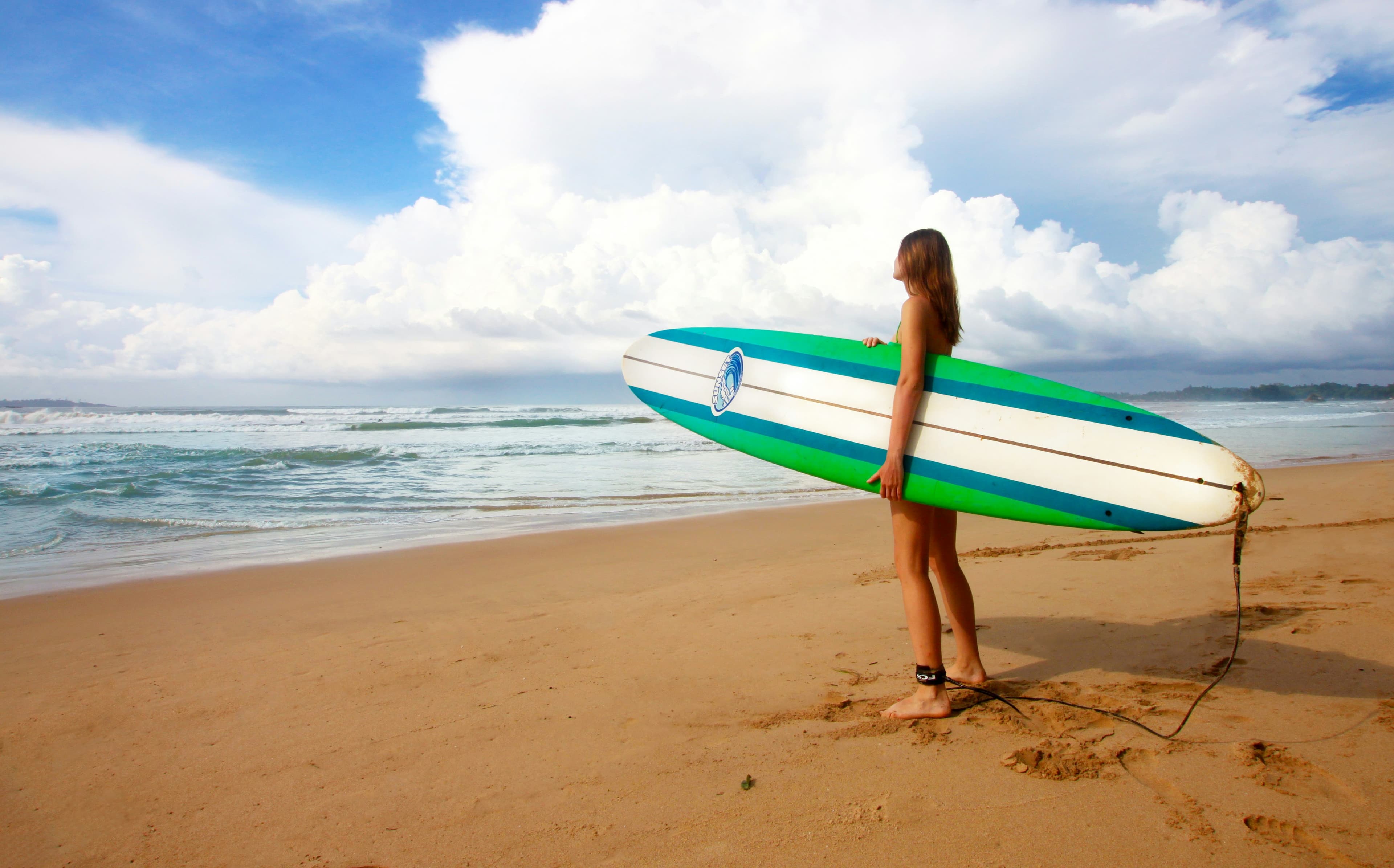
10 days · from $2,700
Sun, Sand & Surf – Coastal Bliss
A relaxing 10-day tour exploring Sri Lanka's stunning southern coast, featuring surfing, beach relaxation, and vibrant nightlife.
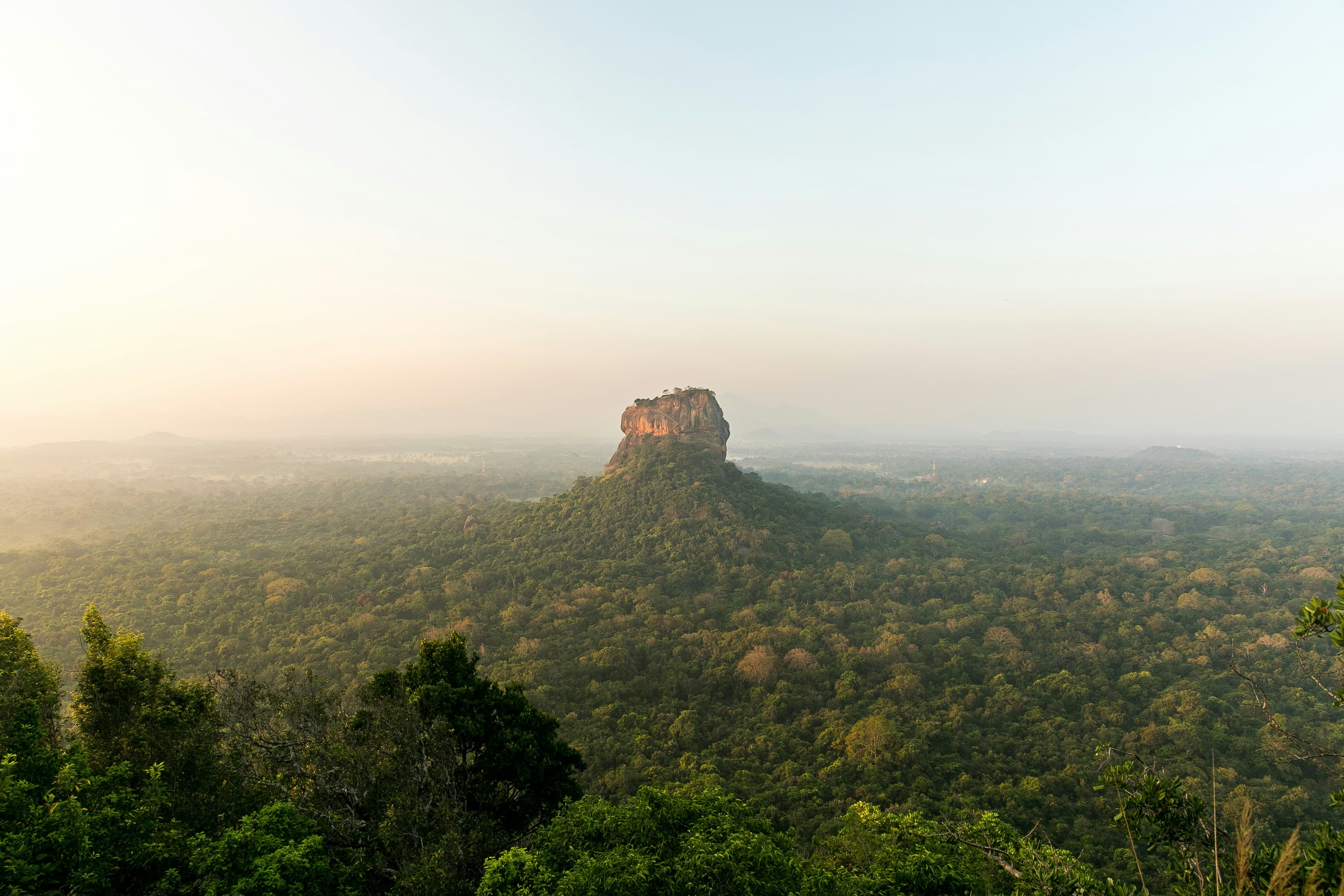
15 days · from $4,050
15 Days / 14 Nights Around Sri Lanka Tour
A comprehensive 15-day journey exploring ancient kingdoms, sacred sites, tea plantations, wildlife, and pristine beaches.

4 days · from $1,080
Authentic Sri Lankan Fishing Experience
Step into the world of traditional fishing on Sri Lanka's tranquil coastline. A hands-on experience with local fishermen and scenic ocean trips.
Nearby destinations

Southern Province
Galle
Galle Fort is a 17th-century Dutch-built walled city on Sri Lanka's south coast and a UNESCO World Heritage Site. Unlike most colonial forts it is still inhabited, with cafés, galleries and hotels inside the ramparts. Half a day covers it; many visitors stay a night or two for the atmosphere.
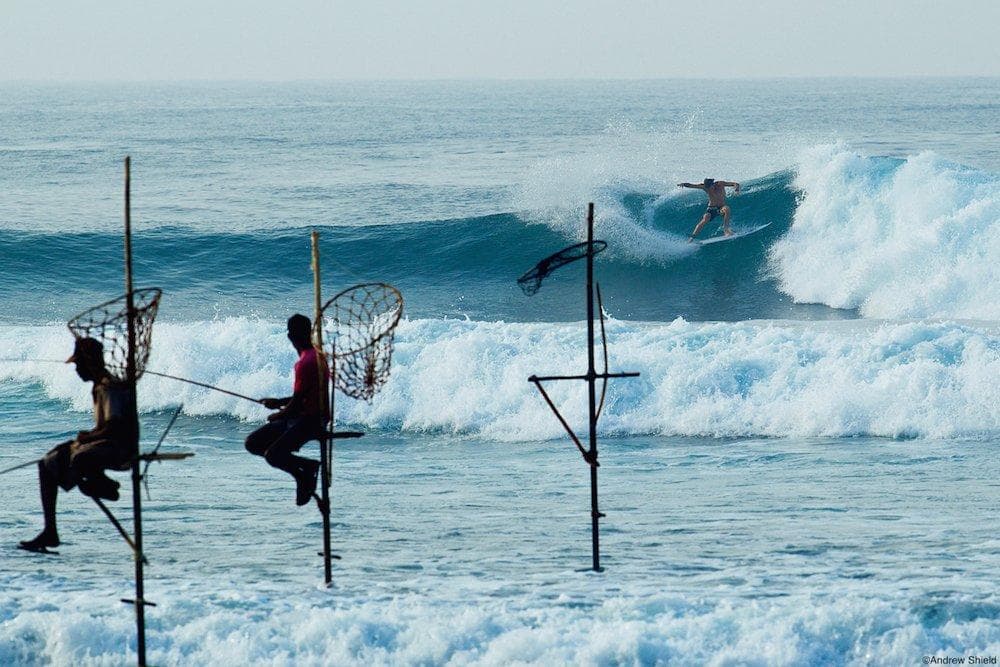
Eastern Province
Arugam Bay
Arugam Bay on Sri Lanka's east coast is the country's best surf destination, centred on a right-hand point break that works from roughly May to September. Several breaks nearby suit all levels. Out of season it is very quiet — the swell and most of the businesses disappear.

Southern & Uva Provinces
Yala National Park
Yala National Park in south-east Sri Lanka has one of the highest densities of leopards anywhere in the world, alongside elephants, sloth bears and crocodiles. Block 1 is the most productive for leopard sightings and the busiest. February to July is the best period, when water is scarce and animals concentrate.