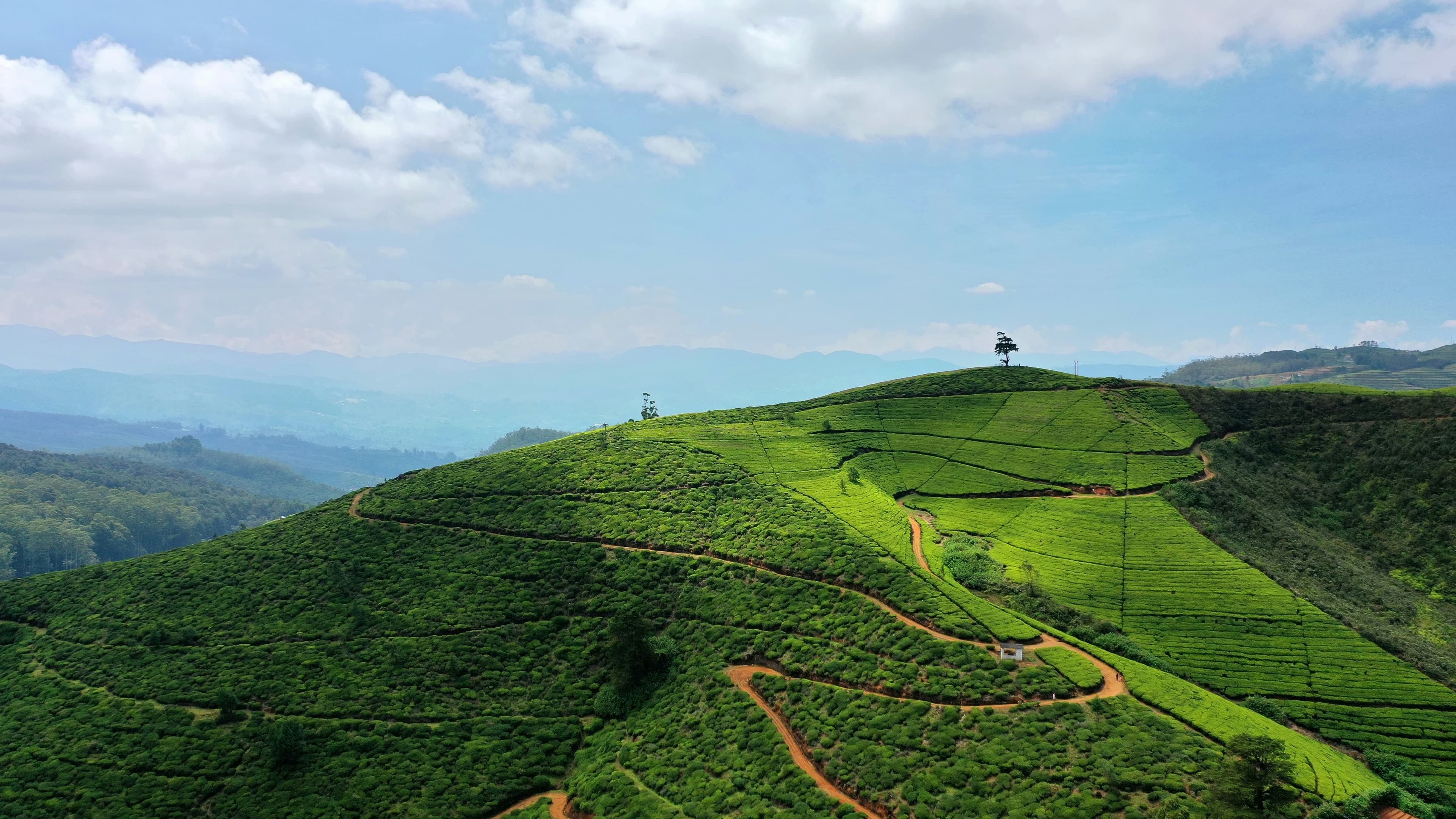
Central Highlands
Kandy
Kandy was the final capital of the Sinhalese kings and holds the Temple of the Sacred Tooth Relic, Buddhism's most important shrine in Sri Lanka. What to see, when the puja ceremonies happen, and how long to stay.
Kandy is Sri Lanka's cultural capital and the last kingdom to fall to colonial rule, in 1815. It holds the Temple of the Sacred Tooth Relic (Sri Dalada Maligawa), the most important Buddhist shrine in the country. Most visitors spend one or two nights, timing a visit around one of the three daily puja ceremonies.
| What it is | Last royal capital of Sri Lanka; cultural and Buddhist centre |
|---|---|
| Status | UNESCO World Heritage Site (inscribed 1988) |
| Elevation | About 500 m — cooler and fresher than the coast |
| Key site | Sri Dalada Maligawa, the Temple of the Sacred Tooth Relic |
| Puja times | Three daily ceremonies — roughly dawn, late morning and evening |
| Kandy Esala Perahera | Ten-night festival, usually July or August; book far ahead |
| Time needed | 1–2 nights |
| From Colombo | About 120 km, 3–4 hours by road, or a scenic 2.5–3 hour train |
About Kandy
Kandy sits in a bowl of green hills around an artificial lake, at about 500 metres — high enough that the air is noticeably cooler and fresher than Colombo. It was the seat of the last independent Sinhalese kingdom, holding out against the Portuguese and Dutch and only falling to the British in 1815, which is why so much of Sri Lankan royal culture survives here in a form it does not elsewhere.
The city's heart is the Temple of the Sacred Tooth Relic, which houses a tooth said to have been recovered from the Buddha's funeral pyre. Possession of the relic was historically tied to the right to rule the island, and the temple remains the most significant Buddhist site in Sri Lanka. Three times a day the inner chamber is opened for puja, accompanied by drummers and horn players, and the queue of white-clad pilgrims moves past the golden casket.
Beyond the temple, Kandy rewards slower exploration than most itineraries give it: the lakeside walk, the covered market, the Royal Botanical Gardens at Peradeniya just outside town, and the surrounding hills dotted with temples that see almost no visitors.
What to see in Kandy
Temple of the Sacred Tooth Relic
The golden-roofed shrine holding the Buddha's tooth. Visit during a puja ceremony, when the inner chamber opens and the drumming starts — the atmosphere is entirely different from a quiet visit.
Kandy Lake
Built by the last king in 1807, ringed by a walkable path. Pleasant in the early morning and at dusk; pelicans and monitor lizards are regulars.
Royal Botanical Gardens, Peradeniya
Sixty hectares of gardens 6 km outside the city, including an orchid house, a giant Javan fig with a canopy covering 1,600 m², and an avenue of royal palms. Allow at least two hours.
Kandyan dance performance
Nightly shows of drumming, masked dance and fire-walking. Frankly touristic, but the drumming is genuinely impressive and it is a reasonable hour's entertainment.
Bahirawakanda Buddha
A large white seated Buddha on the hill above the city, with the best panorama over Kandy and the lake, particularly at sunset.
Best time to visit
Year-round. Kandy sits between the two monsoon systems and gets rain in most months, usually as short afternoon downpours rather than washouts. December to April is driest. The Esala Perahera, the island's biggest festival, falls in July or August — extraordinary, but the city fills completely and accommodation needs booking many months out.
Getting there
Three to four hours by road from Colombo. The train from Colombo Fort is slower but far more pleasant, climbing through tea country in about three hours — and it is the first leg of the famous hill country line that continues to Nuwara Eliya and Ella.
How long to spend
One or two nights. One night covers the Tooth Temple and the lake; two lets you add Peradeniya gardens and the surrounding hill temples without rushing.
Visiting the Temple of the Tooth
The temple is open through the day, but the experience is quite different during puja. There are three ceremonies daily — early morning, late morning and evening — when the doors of the inner chamber are opened, drummers and horn players perform, and pilgrims file past the casket holding the relic. The tooth itself is never displayed; what you see is the outermost of a series of nested gold caskets.
Dress code is strict and enforced: shoulders and knees covered, shoes removed and left at the counter outside, hats off. White clothing is customary for Sri Lankan devotees but not expected of visitors.
Go early if you want space. The evening puja is the most atmospheric and also the busiest. Security is thorough — the temple was bombed in 1998 — so expect bag checks and allow extra time.
The train from Kandy
Kandy is where most travellers join the hill country railway, one of the more genuinely spectacular train journeys anywhere. The line climbs through tea estates and cloud forest to Nanu Oya (for Nuwara Eliya) in about four hours, and on to Ella in about seven.
Reserved seats in second and third class sell out weeks ahead in high season. Unreserved carriages are always available and are where the open-door photographs come from, but they can be standing-room only. We book reserved seats where we can and run the vehicle alongside with your luggage, so you travel light and get picked up at the far end.
Frequently Asked Questions
- How long should I spend in Kandy?
- One or two nights. A single night is enough for the Temple of the Tooth and a walk around the lake. Two nights lets you add the Peradeniya botanical gardens, a Kandyan dance performance and some of the hill temples outside the city without feeling rushed.
- What are the puja times at the Temple of the Tooth?
- There are three ceremonies daily — roughly at dawn, late morning and in the evening. The evening puja is the most atmospheric and the most crowded. Exact times shift slightly and are worth confirming locally on the day, which your guide will do.
- Is the Kandy to Ella train worth it?
- Yes, and it is one of the highlights of a Sri Lanka trip for most visitors. The Kandy–Nanu Oya leg climbs through tea country in about four hours; the Nuwara Eliya–Ella section is the most photographed. Reserved seats sell out well in advance in high season, so it needs booking early rather than deciding on the day.
- When is the Kandy Esala Perahera?
- Usually late July or August, set by the lunar calendar and confirmed only a few months ahead. It runs for ten nights and culminates in a procession of caparisoned elephants, dancers, drummers and fire-twirlers. It is spectacular and the city is completely full — accommodation needs booking many months in advance.
Tours that visit Kandy
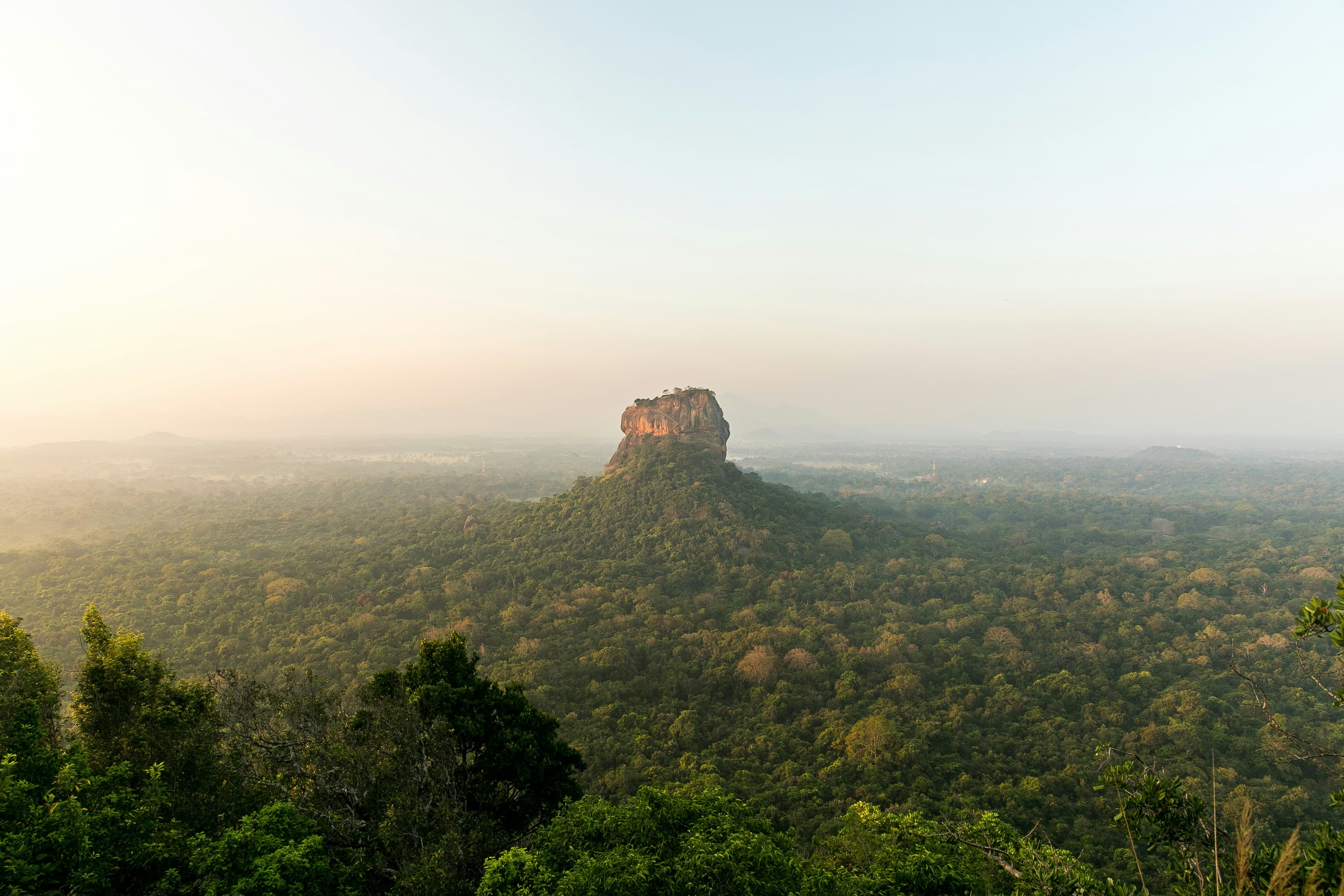
15 days · from $4,050
15 Days / 14 Nights Around Sri Lanka Tour
A comprehensive 15-day journey exploring ancient kingdoms, sacred sites, tea plantations, wildlife, and pristine beaches.

10 days · from $2,700
Tea & Mountains Escape – Misty Highlands
Experience the serene beauty of Sri Lanka’s hill country, tea plantations, and scenic train rides in this 10-day adventure.
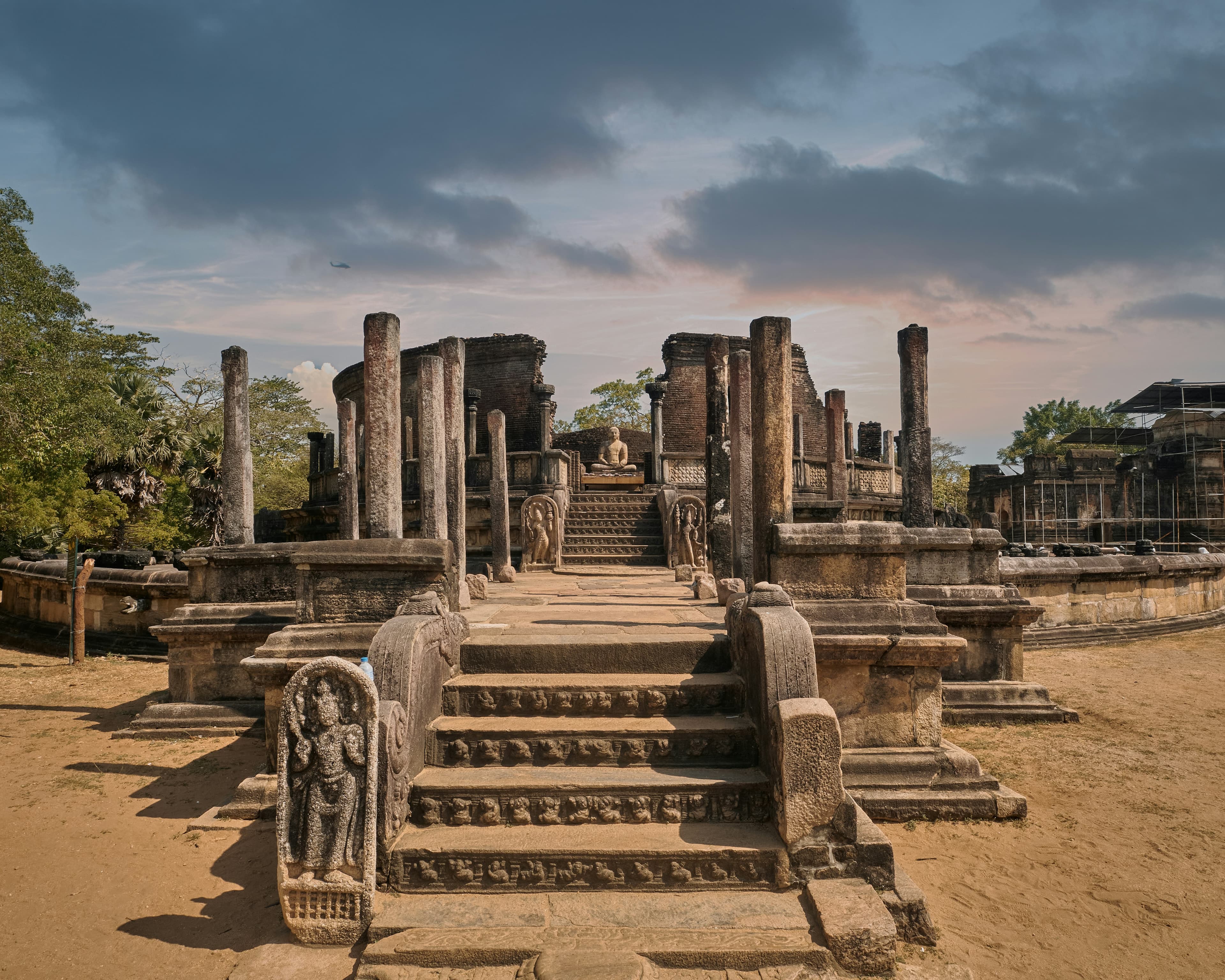
5 days · from $1,350
Classic Cultural Triangle Tour
A classic introduction to Sri Lanka’s rich cultural heritage. Visit the UNESCO ancient cities.
Nearby destinations

Central Highlands
Nuwara Eliya
Nuwara Eliya is Sri Lanka's highest town at 1,868 metres, at the centre of the country's best tea-growing region. The British built it as a hill station and the colonial architecture and cool climate earned it the nickname "Little England". Nights drop to single digits — bring warm layers.

Cultural Triangle (Matale District)
Dambulla
Dambulla Cave Temple is a complex of five caves cut into a granite outcrop in central Sri Lanka, holding 153 Buddha statues and roughly 2,100 square metres of painted ceilings. It is a UNESCO site and an active place of worship. Allow 1.5–2 hours, including the 10-minute climb.
Cultural Triangle (Matale District)
Sigiriya
Sigiriya is a 5th-century rock fortress built on a 180-metre granite monolith in central Sri Lanka, and a UNESCO World Heritage Site. The climb is about 1,200 steps and takes 1.5 to 3 hours return. Go at opening or late afternoon — midday heat on exposed stairways is punishing.

Uva Province (Hill Country)
Ella
Ella is a small town in Sri Lanka's hill country at about 1,040 metres, known for the Nine Arches Bridge, short rewarding hikes up Little Adam's Peak and Ella Rock, and the scenic train line from Kandy. Two nights is the usual stay. Warmer and more relaxed than Nuwara Eliya.