
Cultural Triangle (Matale District)
Dambulla
The Dambulla Royal Cave Temple holds 153 Buddha statues and 2,100 square metres of ceiling murals across five caves, continuously in use for over 2,000 years. What to see, how long it takes, and the dress code.
Dambulla Cave Temple is a complex of five caves cut into a granite outcrop in central Sri Lanka, holding 153 Buddha statues and roughly 2,100 square metres of painted ceilings. It is a UNESCO site and an active place of worship. Allow 1.5–2 hours, including the 10-minute climb.
| What it is | Five-cave Buddhist temple complex, in use since the 1st century BCE |
|---|---|
| Status | UNESCO World Heritage Site (inscribed 1991) |
| Contains | 153 Buddha statues, 3 royal statues, 4 statues of deities |
| Painted area | Approximately 2,100 m² of murals across the cave ceilings |
| Access | About a 10-minute climb up stepped path from the car park |
| Time needed | 1.5–2 hours |
| Dress code | Shoulders and knees covered. Shoes removed before entering |
| From Sigiriya | About 20 minutes by road |
About Dambulla
Dambulla is the best-preserved cave temple complex in Sri Lanka and, unlike most of the Cultural Triangle, it has never been abandoned. Monks have occupied these caves continuously for more than two millennia, which is why the paintings inside are not archaeological fragments but a maintained, living surface.
King Valagamba is said to have sheltered here in the 1st century BCE while exiled from Anuradhapura, and to have converted the caves into a temple when he regained his throne. Successive kings enlarged and repainted them over the following 1,800 years. The result is layered rather than uniform: 12th-century sculpture beside 18th-century Kandyan-period murals, all under the same overhanging rock.
The five caves sit in a row along a terrace near the top of the outcrop, reached by a stepped path that takes about ten minutes. Each has its own character — the first is dominated by a 14-metre reclining Buddha carved from the living rock; the second, the largest, holds more than fifty statues and the ceiling paintings that most people remember.
What to see in Dambulla
Cave 1 — Devaraja Viharaya
A 14-metre reclining Buddha carved directly from the rock face, with a statue of Ananda, his devoted disciple, at the feet.
Cave 2 — Maharaja Viharaya
The largest and most impressive: over fifty statues, a small stupa, and the great painted ceiling that follows the natural curve of the rock. A spring drips from the ceiling into a vessel and is considered sacred.
The ceiling murals
Painted directly onto the uneven rock, depicting the life of the Buddha and key episodes of Sri Lankan history, including the arrival of Buddhism on the island.
The view from the terrace
The temple terrace looks north across the plain, with Sigiriya clearly visible in the distance on a clear day.
Best time to visit
Year-round; the dry zone climate makes weather rarely a factor. Early morning is coolest for the climb and quietest inside. Poya (full moon) days bring large numbers of Sri Lankan pilgrims — atmospheric, but crowded, and worth planning around if you want space to look at the paintings.
Getting there
Dambulla sits at the junction of the Colombo–Trincomalee and Kandy–Anuradhapura roads, which makes it the natural base for the Cultural Triangle. Roughly 4 hours from Colombo, 2 hours from Kandy, 20 minutes from Sigiriya.
How long to spend
Half a day. Most itineraries pair it with Sigiriya on the same day, or use Dambulla as a base for two or three nights covering the whole Cultural Triangle.
Practicalities that catch people out
Shoes come off before you step onto the terrace, and the stone gets genuinely hot in the middle of the day. Socks are a sensible thing to have in a pocket. There is a shoe deposit at the entrance for a small fee.
The dress code is enforced: shoulders and knees covered for everyone. A scarf or sarong works, and vendors near the entrance sell them if you have arrived unprepared.
Photography of the caves is permitted, but posing with your back to a Buddha statue is a serious offence in Sri Lanka and has led to arrests and deportations. Face the statue. This applies everywhere in the country, not only here.
The large Golden Temple with the enormous modern seated Buddha at the base of the hill is a separate, much newer structure. It is free to enter and photogenic, but it is not the UNESCO site — that is up the hill.
Monkeys
Toque macaques live all over the site and are entirely unafraid of visitors. They will take food, water bottles, sunglasses and anything shiny from an open bag or an outstretched hand. Keep bags zipped, do not feed them, and do not attempt to take anything back from one.
Frequently Asked Questions
- How long do you need at Dambulla Cave Temple?
- Between 1.5 and 2 hours, including the ten-minute climb from the car park. That is enough to see all five caves without hurrying. Visitors with a strong interest in the murals often spend longer in Cave 2 alone.
- Can you visit Dambulla and Sigiriya on the same day?
- Yes, and it is a common pairing — they are about 20 minutes apart. The usual pattern is Sigiriya first thing in the morning while it is cool, then Dambulla in the late morning or afternoon. Doing Sigiriya second means climbing 1,200 exposed steps in the heat, which we generally steer people away from.
- What is the dress code?
- Shoulders and knees must be covered, for men and women alike, and shoes are removed before entering the terrace. Hats should come off. A light scarf or sarong is the easiest solution and can be bought at the entrance if needed.
- Is the climb difficult?
- It is a moderate ten-minute walk up a stepped path — nothing like the Sigiriya ascent. There is some shade, and benches along the way. Most visitors of any age manage it comfortably, though the steps are uneven in places.
Tours that visit Dambulla
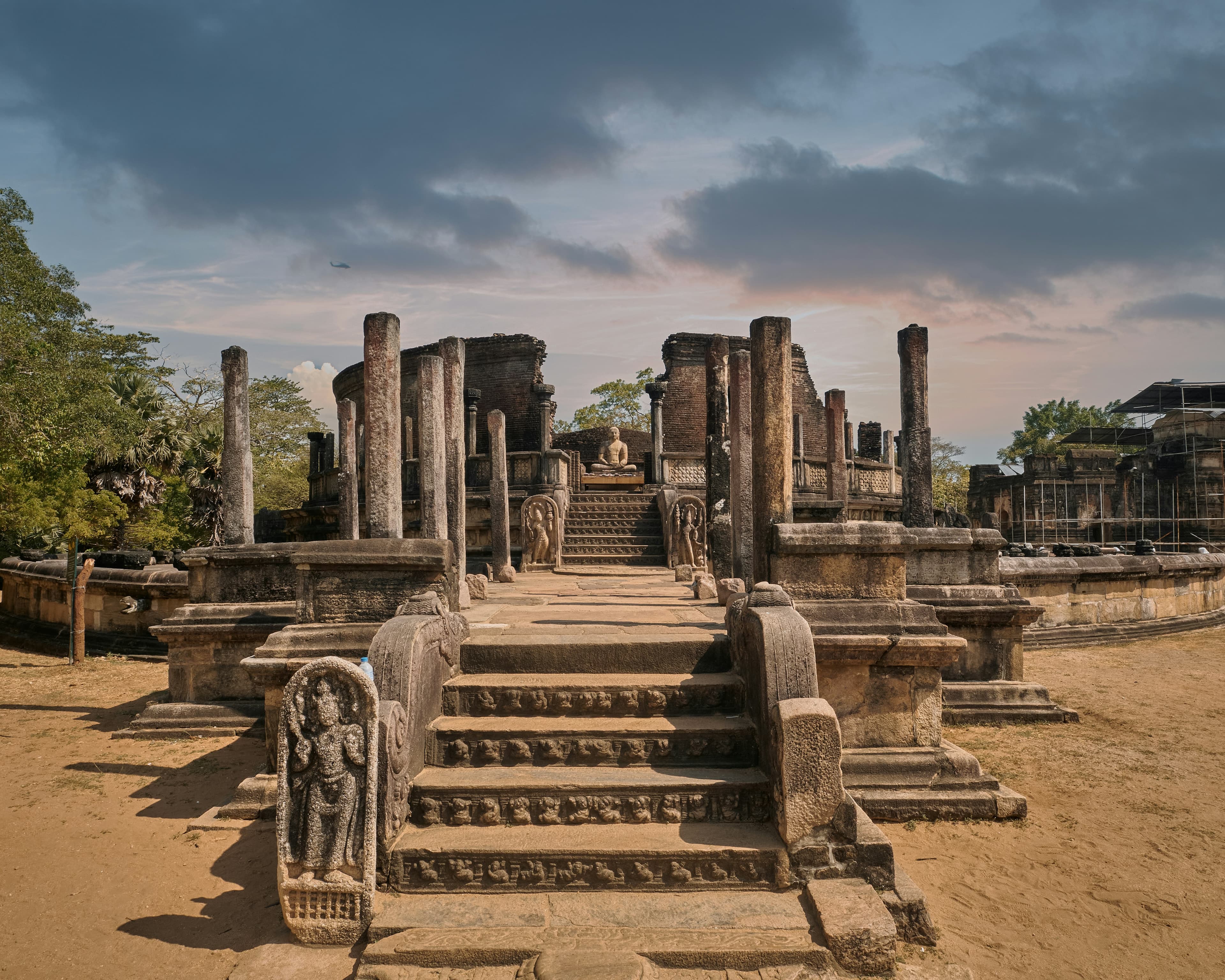
5 days · from $1,350
Classic Cultural Triangle Tour
A classic introduction to Sri Lanka’s rich cultural heritage. Visit the UNESCO ancient cities.
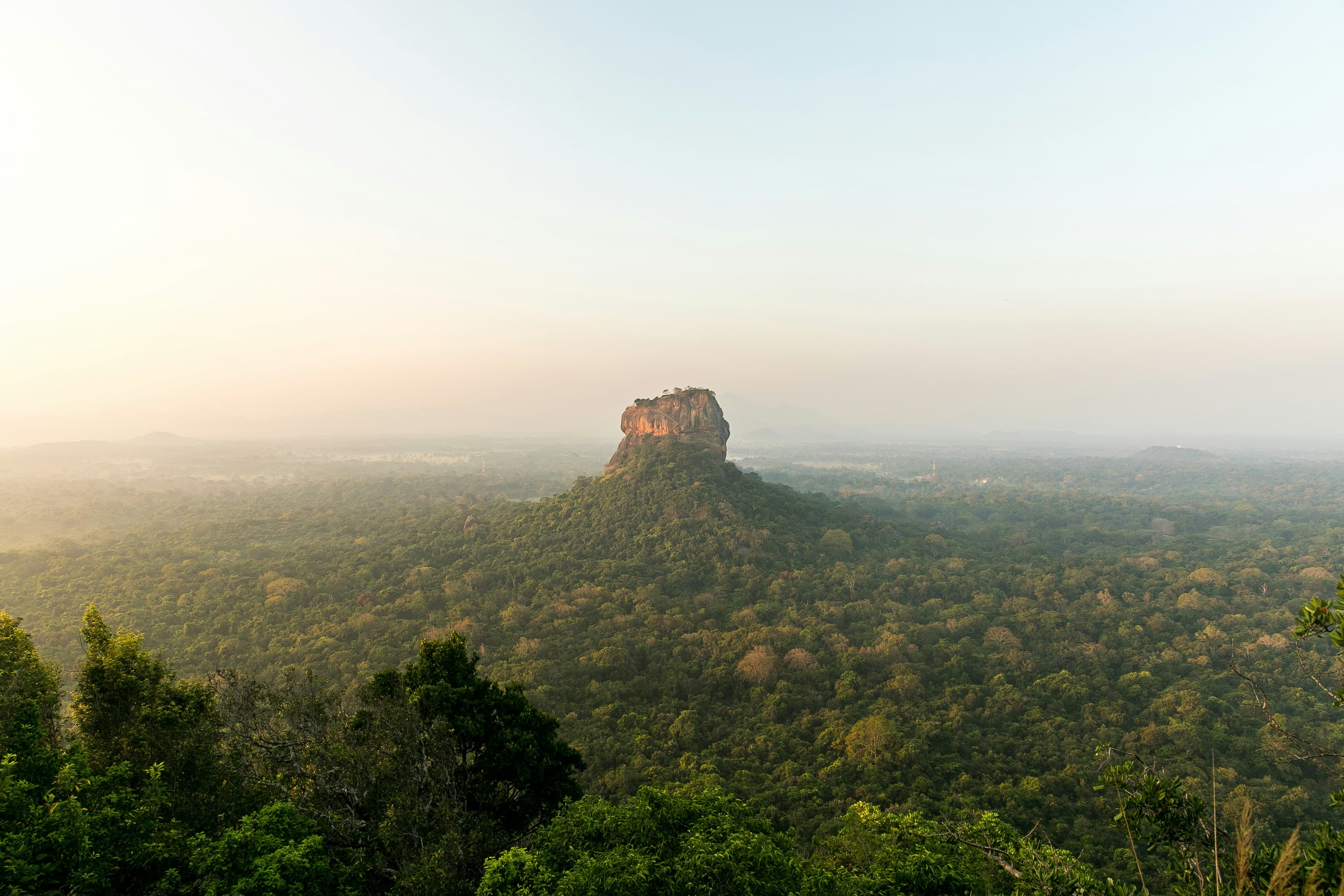
15 days · from $4,050
15 Days / 14 Nights Around Sri Lanka Tour
A comprehensive 15-day journey exploring ancient kingdoms, sacred sites, tea plantations, wildlife, and pristine beaches.

4 days · from $1,080
Short Sri Lanka Snapshot
For those with limited time, this tour hits the highlights: Culture, Heritage, and Coast.
Nearby destinations
Cultural Triangle (Matale District)
Sigiriya
Sigiriya is a 5th-century rock fortress built on a 180-metre granite monolith in central Sri Lanka, and a UNESCO World Heritage Site. The climb is about 1,200 steps and takes 1.5 to 3 hours return. Go at opening or late afternoon — midday heat on exposed stairways is punishing.

North Central Province
Polonnaruwa
Polonnaruwa was Sri Lanka's medieval capital from the 11th to 13th centuries and is the best-preserved of the ancient cities. Its highlight is the Gal Vihara — four colossal Buddha figures carved from a single granite wall. The site is compact enough to cover in three to four hours, often by bicycle.

North Central Province
Anuradhapura
Anuradhapura was Sri Lanka's capital from the 4th century BCE to the 11th century CE and is the island's most sacred Buddhist city. It holds the Sri Maha Bodhi — grown from a cutting of the tree the Buddha sat under, planted in 288 BCE — and several enormous brick stupas. The site is vast; plan half to a full day.
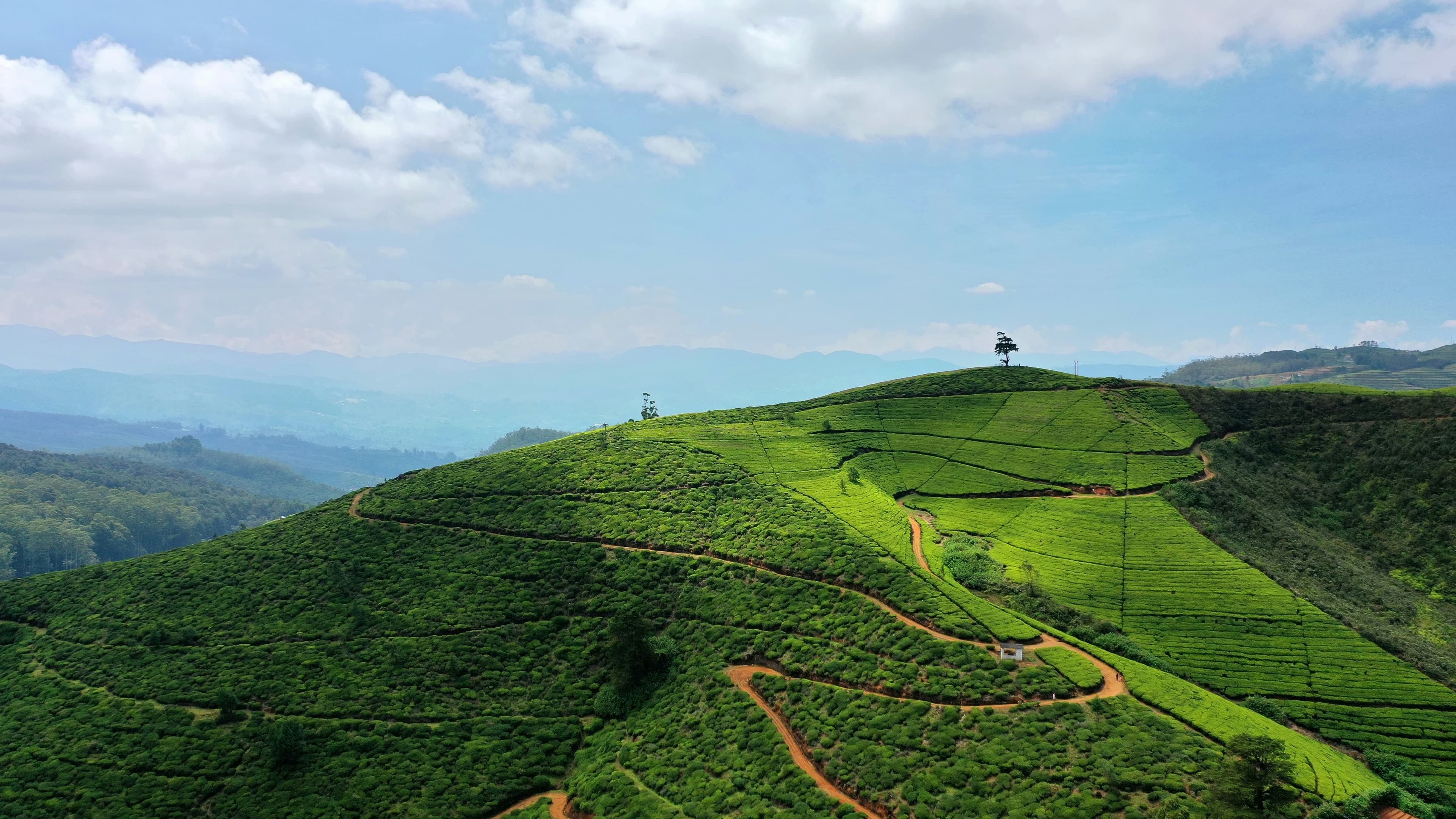
Central Highlands
Kandy
Kandy is Sri Lanka's cultural capital and the last kingdom to fall to colonial rule, in 1815. It holds the Temple of the Sacred Tooth Relic (Sri Dalada Maligawa), the most important Buddhist shrine in the country. Most visitors spend one or two nights, timing a visit around one of the three daily puja ceremonies.