
Eastern Province
Trincomalee
Trincomalee has one of the world's finest natural harbours, the clifftop Koneswaram temple, and the calm beaches of Nilaveli and Uppuveli. Best from May to September, when the south coast is wet.
Trincomalee on Sri Lanka's north-east coast has one of the largest natural harbours in the world, the Hindu temple of Koneswaram on a clifftop above it, and the calm white-sand beaches of Nilaveli and Uppuveli nearby. The season runs May to September — the inverse of the south coast.
| What it is | Port city on the north-east coast with a major natural harbour |
|---|---|
| Season | May to September — the inverse of the south and west coasts |
| Key site | Koneswaram temple on Swami Rock, a clifftop above the sea |
| Beaches | Uppuveli (closer, livelier) and Nilaveli (quieter, wider) |
| Pigeon Island | Marine national park offshore; snorkelling and reef sharks |
| Whale watching | Blue and sperm whales, roughly June to September |
| From Colombo | About 260 km, 5–6 hours by road |
| From Sigiriya | About 2.5–3 hours by road |
About Trincomalee
Trincomalee's harbour is the reason it has been fought over for four hundred years: a deep, sheltered natural anchorage that the Portuguese, Dutch, French and British each took in turn, and that made the town a target in the Second World War. It is still a naval base, and parts of the headland remain restricted.
The town itself is workaday, but the setting is remarkable. Koneswaram temple stands on Swami Rock, a cliff dropping straight into the sea, on a site sacred to Hindus for well over a thousand years — the Portuguese pushed the original temple off the cliff in 1624, and parts of it have since been recovered by divers from the seabed below.
Most visitors stay north of town at Uppuveli or Nilaveli, where the beaches are wide, white and — during the May to September season — genuinely calm. This coast was badly affected by both the civil war and the 2004 tsunami, and it has developed far less than the south, which for many people is the whole point.
What to see in Trincomalee
Koneswaram Temple
A brightly painted Hindu temple on a cliff edge above the harbour, with a long and turbulent history. Shoes off, shoulders and knees covered, and expect a crowd of deer and monkeys around the approach.
Nilaveli and Uppuveli beaches
Wide, white and calm during the season. Uppuveli is closer to town and has more places to eat; Nilaveli is quieter and better for a long walk.
Pigeon Island National Park
A small island a short boat ride from Nilaveli with the best accessible snorkelling on this coast — reef fish, turtles and blacktip reef sharks in the shallows.
Fort Frederick
A Portuguese and Dutch fort on the headland, still partly a military base, with spotted deer wandering the road up to Koneswaram.
Whale watching
Blue and sperm whales pass offshore between roughly June and September, making Trincomalee the east coast counterpart to Mirissa.
Best time to visit
May to September, when the north-east is dry and the sea calm. This is precisely when the south and west coasts are under the southwest monsoon, so Trincomalee is a key part of the answer to visiting Sri Lanka in the northern summer. The northeast monsoon brings heavy rain from roughly October to January and much of the tourism infrastructure winds down.
Getting there
About 5 to 6 hours by road from Colombo, and roughly 2.5 to 3 hours from Sigiriya — which makes it an easy continuation from the Cultural Triangle. Trains run from Colombo but take considerably longer.
How long to spend
Two to three nights. That covers Koneswaram, a day at Pigeon Island, and enough beach time to justify the drive.
Pigeon Island, and being careful with it
Pigeon Island is the best snorkelling within easy reach on this coast, with shallow coral, reef fish, turtles and blacktip reef sharks that are entirely harmless and often close in.
The reef is also under real pressure. Visitor numbers are high in season, and coral damage from people standing on it is visible and extensive. Wear a flotation vest if your swimming is not strong, never stand on or touch coral, and use reef-safe sunscreen or a rash vest instead of lotion.
Going early avoids the worst of the crowding, and boat operators will take you at first light if asked.
The east coast season, and why it matters
Sri Lanka's two monsoons mean there is always a coast that works. The south and west are at their best from December to April; the east and north-east from May to September.
Travellers who book a July trip expecting Mirissa beach weather are disappointed. Trincomalee, Nilaveli and Arugam Bay are the correct answer for those months, and a well-built July itinerary runs Cultural Triangle, hill country, then east — not south.
The northeast coast is also markedly less developed than the south, partly a legacy of the civil war, which ended in 2009. Infrastructure is thinner and choice is narrower, but the beaches are emptier.
Trincomalee in pictures


Frequently Asked Questions
- When is the best time to visit Trincomalee?
- May to September, when the north-east coast is dry and the sea is calm. This is the opposite of the south coast season, which makes Trincomalee and Nilaveli the right choice for a beach stay between roughly May and September. From October to January the northeast monsoon brings heavy rain.
- Is Nilaveli or Uppuveli better?
- Nilaveli is wider, quieter and better for long walks, and is the departure point for Pigeon Island. Uppuveli is closer to Trincomalee town, has more restaurants and a livelier feel. Both have calm, clear water in season; the choice is essentially between quiet and convenience.
- Is Pigeon Island worth visiting?
- Yes, for the snorkelling — shallow coral, plenty of reef fish, turtles and harmless blacktip reef sharks. Go early to avoid the crowds, and be careful with the reef: coral damage from visitors standing on it is extensive. Use a rash vest or reef-safe sunscreen rather than ordinary lotion.
- Can you see whales at Trincomalee?
- Yes, between roughly June and September, when blue and sperm whales pass along the east coast. It is the seasonal counterpart to Mirissa on the south coast. As at Mirissa, choose an operator that keeps a respectful distance rather than chasing animals.
Tours that visit Trincomalee
15 days · from $4,050
15 Days / 14 Nights Around Sri Lanka Tour
A comprehensive 15-day journey exploring ancient kingdoms, sacred sites, tea plantations, wildlife, and pristine beaches.
10 days · from $2,700
Sun, Sand & Surf – Coastal Bliss
A relaxing 10-day tour exploring Sri Lanka's stunning southern coast, featuring surfing, beach relaxation, and vibrant nightlife.

8 days · from $2,160
Birdwatching & Nature Specialist Tour
A nature-focused journey for birdwatchers, featuring Sri Lanka’s best wildlife reserves.
Nearby destinations
Cultural Triangle (Matale District)
Sigiriya
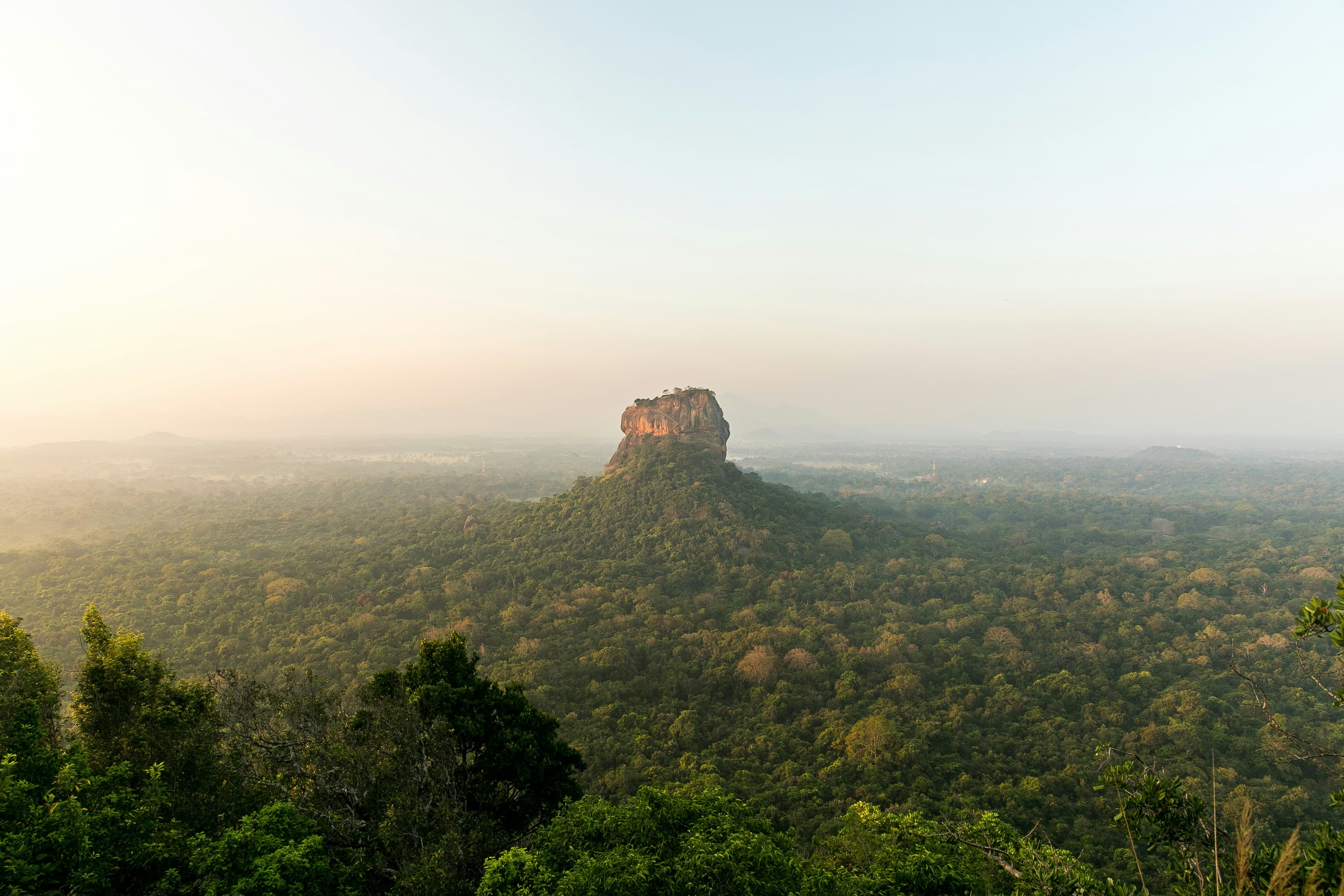
Sigiriya is a 5th-century rock fortress built on a 180-metre granite monolith in central Sri Lanka, and a UNESCO World Heritage Site. The climb is about 1,200 steps and takes 1.5 to 3 hours return. Go at opening or late afternoon — midday heat on exposed stairways is punishing.
Eastern Province
Arugam Bay
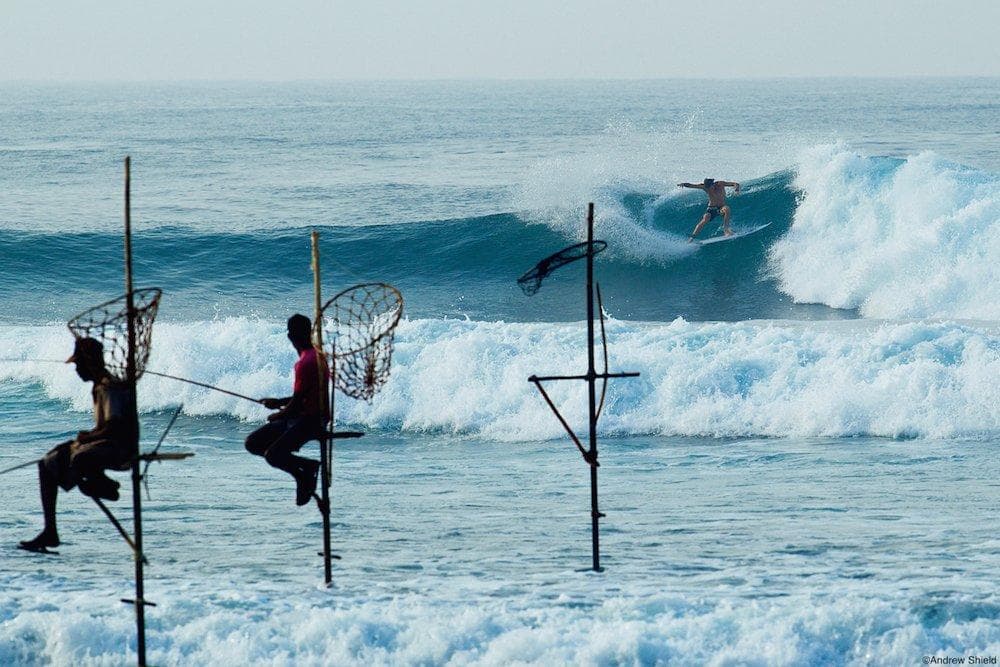
Arugam Bay on Sri Lanka's east coast is the country's best surf destination, centred on a right-hand point break that works from roughly May to September. Several breaks nearby suit all levels. Out of season it is very quiet — the swell and most of the businesses disappear.

North Central Province
Polonnaruwa
Polonnaruwa was Sri Lanka's medieval capital from the 11th to 13th centuries and is the best-preserved of the ancient cities. Its highlight is the Gal Vihara — four colossal Buddha figures carved from a single granite wall. The site is compact enough to cover in three to four hours, often by bicycle.