
Southern Province
Galle
Galle Fort is a 17th-century Dutch fortification on Sri Lanka's south coast, still lived in and full of cafés, boutiques and colonial villas. What to see, when to walk the ramparts, and how long to stay.
Galle Fort is a 17th-century Dutch-built walled city on Sri Lanka's south coast and a UNESCO World Heritage Site. Unlike most colonial forts it is still inhabited, with cafés, galleries and hotels inside the ramparts. Half a day covers it; many visitors stay a night or two for the atmosphere.
| What it is | Dutch-built walled city, 17th century, on a coastal promontory |
|---|---|
| Status | UNESCO World Heritage Site (inscribed 1988) |
| Area | About 36 hectares inside the ramparts |
| Still inhabited | Yes — homes, schools, mosques and churches inside the walls |
| Best time of day | Late afternoon into sunset, walking the ramparts |
| Time needed | Half a day; 1–2 nights to enjoy it properly |
| From Colombo | About 120 km, roughly 1.5–2 hours on the southern expressway |
| Nearby beaches | Unawatuna, Jungle Beach, Dalawella, Mirissa |
About Galle
The Portuguese fortified Galle first, in 1588, but it was the Dutch who built what stands today — a 36-hectare walled town of coral and granite, laid out on a promontory in the 17th century and strong enough to have survived the 2004 tsunami almost undamaged while the town outside it was devastated.
What makes Galle Fort unusual is that it never became a museum. People live inside the walls. The grid of streets holds working mosques and churches, family homes, boutique hotels in restored Dutch villas, jewellers, galleries and some of the best cafés in Sri Lanka. It is touristic, undeniably, but it is a real place rather than a preserved one.
The best hour of the day is the last one. Locals and visitors walk the ramparts at sunset, cricket games run on the green, and boys jump from the walls into the sea below the lighthouse.
What to see in Galle
The ramparts walk
A circuit of the walls takes about an hour and is the single best thing to do in Galle. Go in the late afternoon, finishing at the lighthouse for sunset.
Galle Lighthouse
The most photographed structure in the fort, built in 1939 on the southern rampart, with a small beach and a huge banyan below.
Dutch Reformed Church
Dating from 1755, with a floor paved in the gravestones of Dutch colonists and an organ loft that has survived three centuries of sea air.
Maritime Museum and the Old Dutch Hospital
The museum sits inside a Dutch warehouse; the hospital building, one of the oldest in the fort, is now a colonnaded row of restaurants and shops.
Stilt fishermen
The famous pole fishermen are found along the coast between Galle and Weligama. Be aware that many of those posing at roadside spots now do so for payment rather than fish — ask before photographing and expect to pay.
Best time to visit
December to April is the south coast's dry season and the best time overall — calm seas, reliable sunshine. The southwest monsoon runs roughly May to September, bringing rain and rough water, though downpours are usually short and the fort is atmospheric in wet weather. The Galle Literary Festival, in January, is a significant draw and fills accommodation.
Getting there
The southern expressway from Colombo makes this an easy 1.5 to 2 hour drive. The coastal train from Colombo is slower, around 2.5 to 3 hours, but runs beside the sea for much of the way and is a pleasant journey in its own right.
How long to spend
Half a day for the fort itself. One or two nights lets you experience it in the early morning and at sunset, when the day-trippers have gone, and use it as a base for the nearby beaches.
Staying inside the fort
Galle changes character completely outside daytime hours. Between roughly 10:00 and 17:00 it fills with day-trippers from Colombo and the coastal resorts; before and after, the streets belong to residents again and the light on the coral-stone walls is much better.
Boutique hotels inside the walls, mostly in restored Dutch villas, cost more than equivalents outside, and are the reason to do it — you get the fort early in the morning and late in the evening largely to yourself.
Beaches near Galle
Unawatuna, a few minutes east, is the closest and most developed — a sheltered bay, calm swimming, and a strip of restaurants that some find lively and others find overdeveloped.
Jungle Beach and Dalawella are smaller and quieter, with better snorkelling. Further east, Mirissa and Weligama are the surf and whale-watching bases. Hikkaduwa, to the west, has reef snorkelling and a long-standing backpacker scene.
Currents on the south coast can be strong and there are drownings every year, mostly of visitors who underestimated the water. Swim where locals swim, and take red flags seriously.
Galle in pictures


Frequently Asked Questions
- How long do you need in Galle?
- Half a day covers the fort — the ramparts walk, the lighthouse, the churches and the museum. One or two nights is better if you want it without the day-trip crowds, since the fort is at its best early in the morning and after about 17:00.
- Is it worth staying inside Galle Fort?
- Yes, if the fort is your reason for coming. Between 10:00 and 17:00 it fills with visitors from Colombo and the resorts; staying inside gives you the streets at dawn and dusk when they are quiet. Hotels inside the walls cost more than those outside, which is essentially what you are paying for.
- What is the best time of year to visit Galle?
- December to April, the south coast dry season, with calm seas and reliable sun. The southwest monsoon from May to September brings rain and rough water, though showers are usually short. The Galle Literary Festival in January is popular enough to fill accommodation months ahead.
- Can you swim near Galle Fort?
- Not usefully at the fort itself, though people jump from the ramparts near the lighthouse. The nearest proper swimming is Unawatuna, a few minutes east, with Jungle Beach and Dalawella quieter alternatives. South coast currents can be strong — swim where locals swim and respect red flags.
Tours that visit Galle
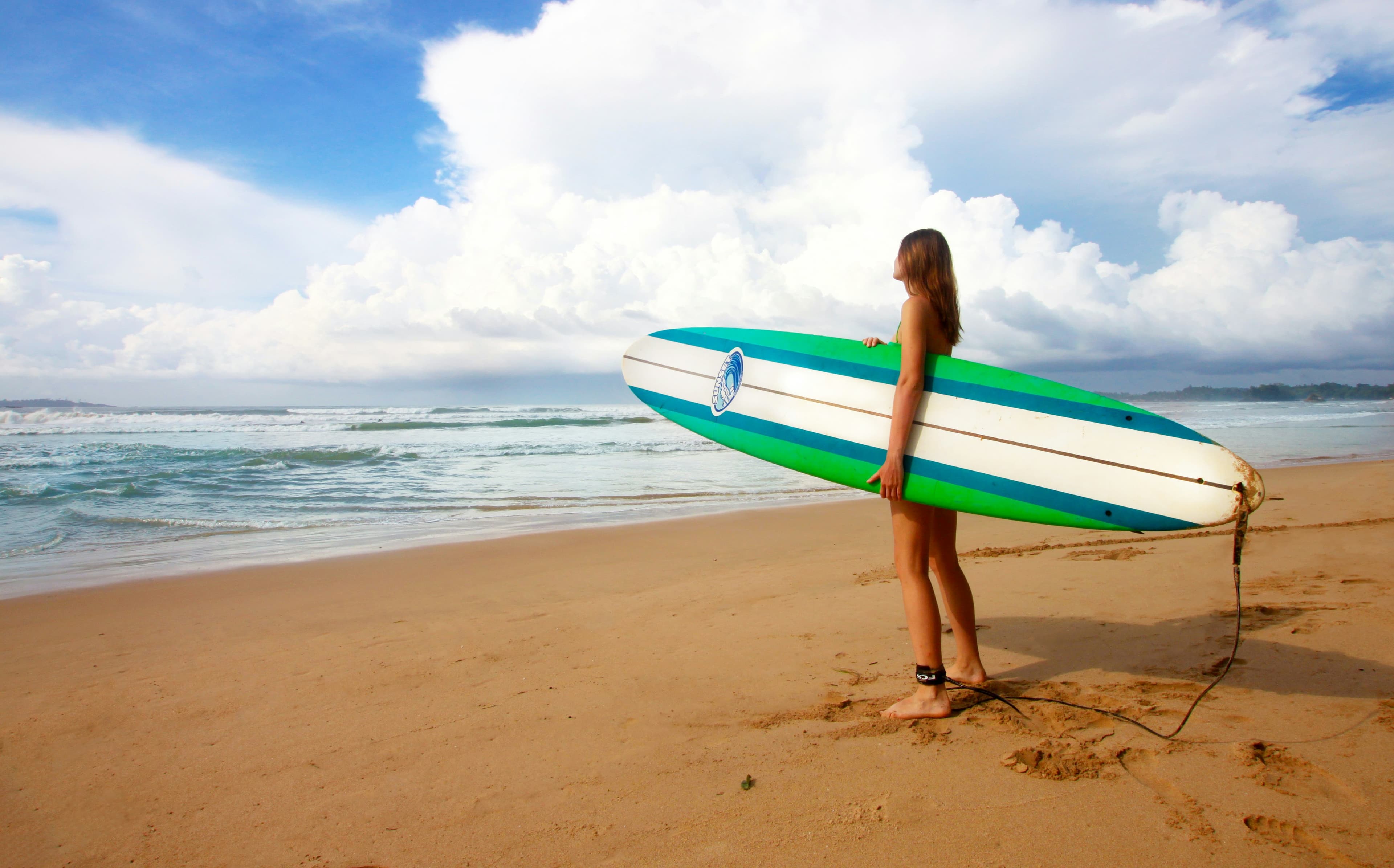
10 days · from $2,700
Sun, Sand & Surf – Coastal Bliss
A relaxing 10-day tour exploring Sri Lanka's stunning southern coast, featuring surfing, beach relaxation, and vibrant nightlife.
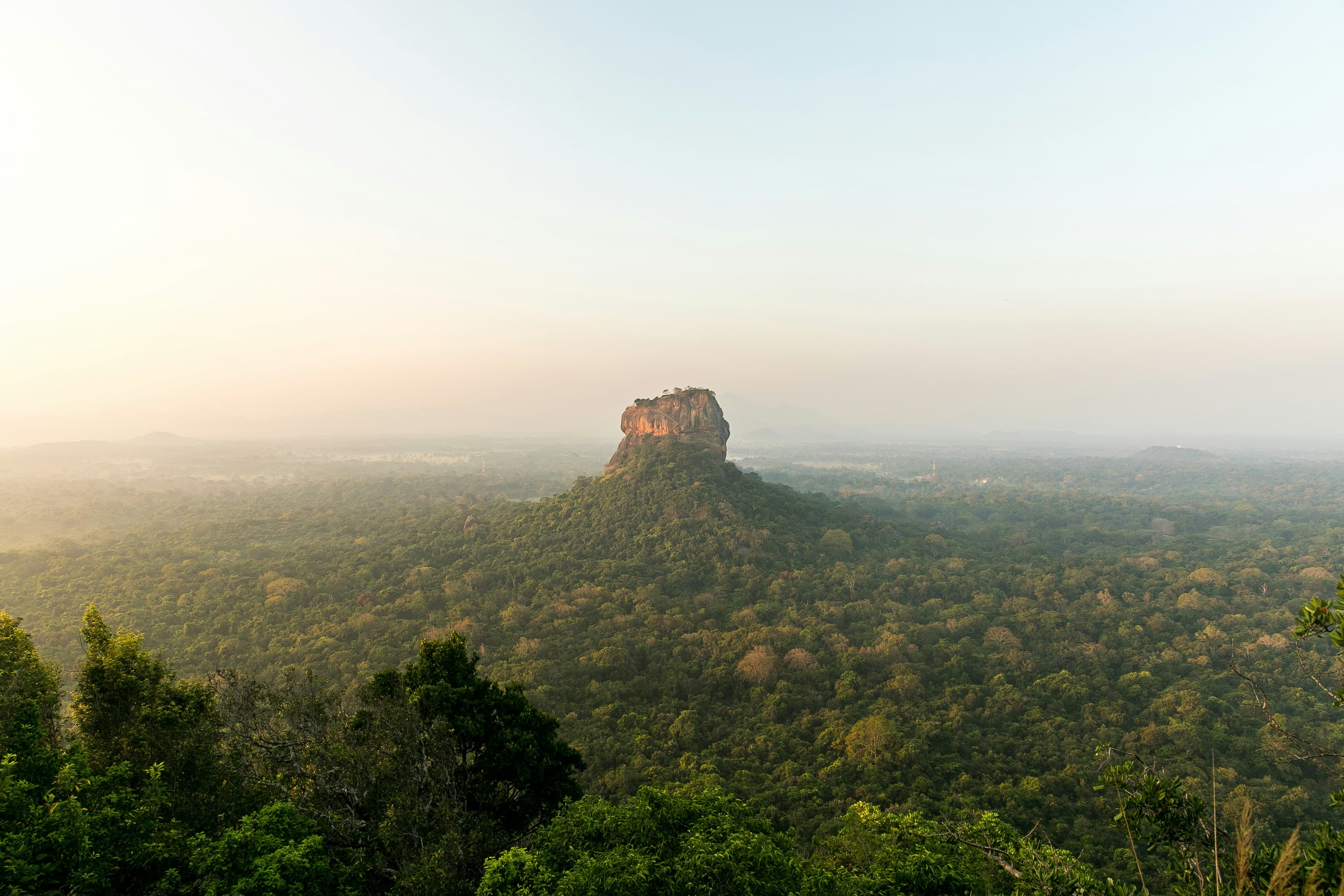
15 days · from $4,050
15 Days / 14 Nights Around Sri Lanka Tour
A comprehensive 15-day journey exploring ancient kingdoms, sacred sites, tea plantations, wildlife, and pristine beaches.
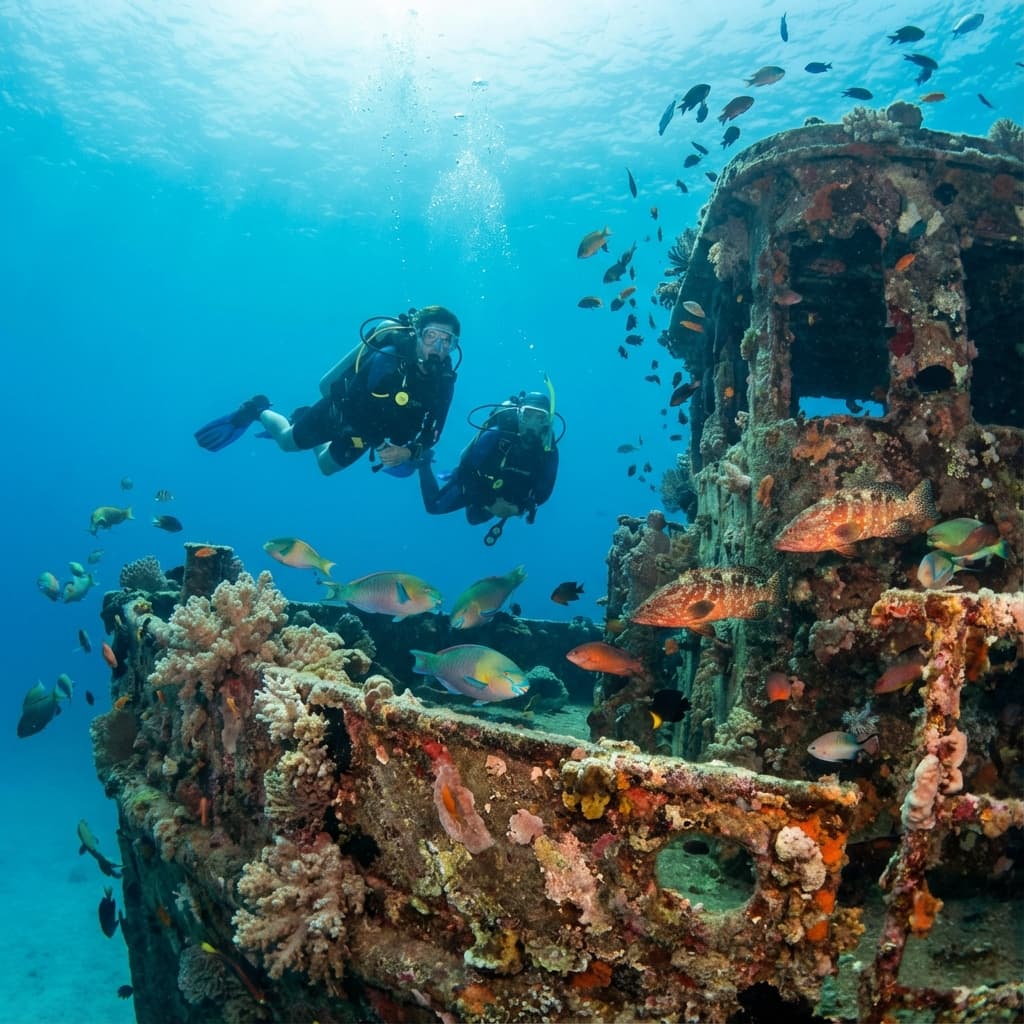
4 days · from $1,080
Southwest Liveaboard Adventure (3N4D)
Extended liveaboard diving experience with more time to explore Sri Lanka's underwater treasures and coastal highlights.
Nearby destinations

Southern Province
Mirissa
Mirissa is a crescent beach town on Sri Lanka's south coast and the country's main base for blue whale watching, which runs roughly November to April. Boats leave around 06:30 and trips take three to five hours. The beach itself is relaxed, with good swimming outside monsoon season.

Sabaragamuwa & Southern Provinces
Sinharaja Forest Reserve
Sinharaja Forest Reserve is Sri Lanka's last substantial stretch of primary lowland rainforest and a UNESCO World Heritage Site. It holds a majority of the island's endemic bird species and much of its endemic flora. Visits are on foot with a compulsory guide. Expect leeches, and bring socks.

Western Province
Colombo
Colombo is Sri Lanka's largest city and commercial capital, and the arrival point for nearly every visitor via Bandaranaike International Airport, about 35 km north. Most travellers spend half a day to one night here. Highlights are Pettah market, the Gangaramaya temple, Galle Face Green and the colonial Fort district.